How to Get Rid of Milia: Those Annoying Fat Cysts 🌟
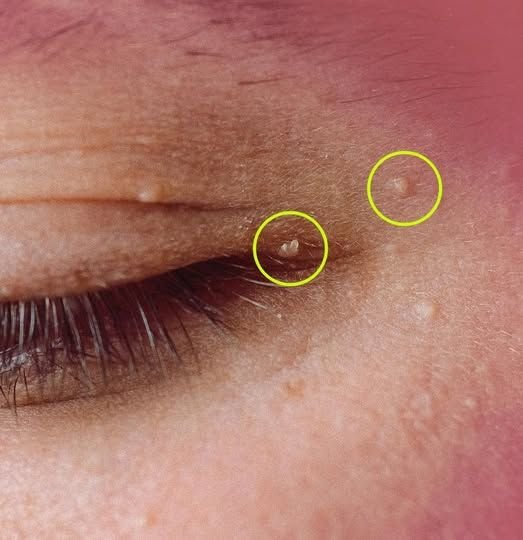
If you’ve ever noticed tiny, hard, white bumps on your skin, especially around your eyes, cheeks, or nose, you might be dealing with milia. These small, stubborn bumps are benign cysts filled with keratin, and while they aren’t harmful, they can be annoying and affect your confidence.
⚠️ This article is for educational purposes. For persistent or severe skin concerns, consult a dermatologist.
What Are Milia?
Milia are tiny, pearl-like bumps that appear when keratin, a protein in the skin, becomes trapped beneath the surface. Unlike pimples, they don’t have a head and are not caused by bacteria, so they won’t get inflamed.
Milia can occur in people of all ages, from newborns to adults.
Common Causes of Milia
-
Skin Damage or Trauma
-
Burns, blisters, or aggressive exfoliation can trap keratin under the skin
-
-
Sun Damage
-
Prolonged sun exposure can thicken the skin, leading to milia formation
-
-
Heavy Skincare Products
-
Thick creams or oils may clog pores and trap keratin
-
-
Genetics
-
Some people are more prone to milia due to skin type
-
-
Aging Skin
-
Older skin produces less turnover, making milia more common
-
How to Identify Milia
-
Small, hard, white or yellowish bumps
-
Typically 1–2 mm in size
-
Most commonly appear around the eyes, cheeks, or nose
-
Painless and non-inflamed
How to Get Rid of Milia Safely
1. Do Not Pick or Squeeze
-
Picking can cause infection or scarring
2. Gentle Exfoliation
-
Use products with alpha-hydroxy acids (AHAs) or beta-hydroxy acids (BHAs) to encourage skin turnover
-
Helps prevent keratin buildup
3. Retinoid Creams
-
Prescription or OTC retinoids can help speed up skin cell turnover
-
Can gradually reduce milia over time
4. Professional Extraction
-
Dermatologists or estheticians can safely remove milia using sterile tools
-
Avoid trying to remove them at home
5. Laser or Chemical Peels
-
For stubborn or widespread milia, dermatological treatments like laser therapy or chemical peels can be effective
6. Keep Your Skin Clean and Light
-
Avoid heavy creams or oils that may clog pores
-
Use gentle cleansers and moisturizers suitable for your skin type
Prevention Tips for Milia
-
Sun Protection: Wear sunscreen to prevent skin thickening
-
Avoid Heavy Skincare Products: Stick to lightweight creams
-
Regular Exfoliation: Gentle chemical exfoliation 1–2 times a week
-
Healthy Skin Routine: Cleanse twice daily and moisturize lightly
-
Seek Early Treatment: Address small bumps before they accumulate
When to See a Dermatologist
See a professional if:
-
Milia persist for months or worsen
-
You have large clusters or widespread bumps
-
Bumps become painful, red, or infected
Professional care ensures safe removal without scarring.
Final Thoughts
Milia may be annoying but are harmless, and with the right skincare routine and professional guidance, you can reduce or prevent them. Gentle exfoliation, lightweight skincare, and proper sun protection are key to keeping your skin smooth, healthy, and milia-free.
FAQ: Milia
Q: Can milia go away on their own?
Yes, some may disappear naturally within a few weeks or months.
Q: Are milia dangerous?
No, they are benign cysts and not linked to serious health issues.
Q: Can babies get milia?
Yes, newborns commonly develop milia, which usually disappear without treatment.