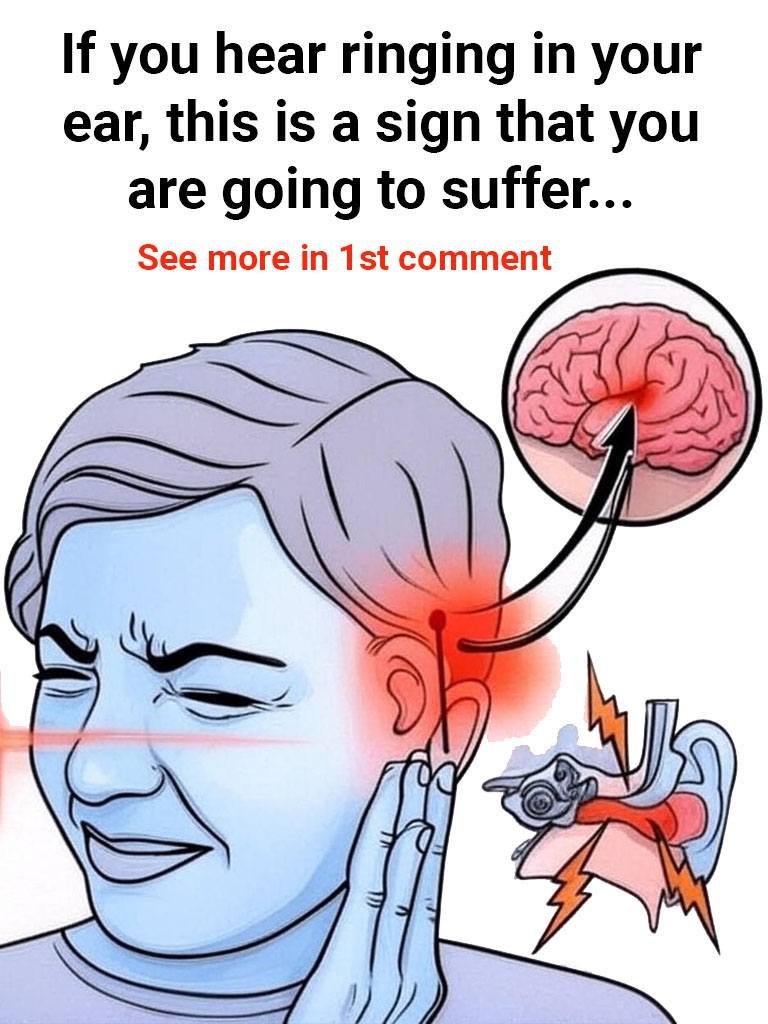
Ringing in Your Ears? What It Could Be Telling You About Your Health 🔔
If you’ve ever experienced a ringing, buzzing, or hissing sound in your ears, you’re not alone. This phenomenon, known as tinnitus, affects millions of people worldwide. While it’s often harmless, persistent ringing can sometimes signal underlying health issues that shouldn’t be ignored.
⚠️ This article is for informational purposes only. If you experience persistent or severe tinnitus, consult a healthcare professional for diagnosis and treatment.
What Is Tinnitus?
Tinnitus is the perception of sound in the ears without an external source. The sound may vary from:
-
Ringing
-
Buzzing
-
Hissing
-
Roaring
-
Clicking
It can affect one ear or both ears and may come and go or remain constant.
Why Tinnitus Happens
There are many possible causes of tinnitus, including:
-
Hearing Loss
-
Age-related or noise-induced hearing loss can trigger ringing in the ears.
-
-
Ear Infections or Blockages
-
Wax buildup, fluid, or infection can create pressure that causes tinnitus.
-
-
Exposure to Loud Noise
-
Concerts, machinery, or headphones at high volume can damage inner ear cells.
-
-
Circulatory or Cardiovascular Issues
-
High blood pressure, atherosclerosis, or other circulatory problems can make tinnitus worse.
-
-
Medications
-
Some drugs, including certain antibiotics, chemotherapy agents, and high-dose aspirin, can cause ringing.
-
-
Stress and Anxiety
-
Emotional or physical stress can exacerbate tinnitus perception.
-
Warning Signs You Shouldn’t Ignore
While occasional ringing is often harmless, see a doctor if you notice:
-
Persistent tinnitus lasting more than a few days
-
Tinnitus accompanied by hearing loss, dizziness, or ear pain
-
Pulsating sounds that sync with your heartbeat (may indicate circulatory issues)
-
Rapid onset tinnitus after head trauma or loud noise exposure
Ignoring these warning signs could lead to worsening hearing problems or complications.
Tips to Manage Tinnitus
-
Protect Your Ears
-
Avoid loud environments and use ear protection when needed.
-
-
Reduce Stress
-
Meditation, yoga, and deep-breathing exercises can help.
-
-
Limit Stimulants
-
Caffeine, nicotine, and alcohol may worsen tinnitus in some people.
-
-
Check Medications
-
Talk to your doctor about medications that may contribute to tinnitus.
-
-
White Noise or Sound Therapy
-
Gentle background sounds can mask ringing and improve sleep.
-
-
Regular Hearing Checkups
-
Early detection of hearing loss can prevent tinnitus from worsening.
-
When to Seek Immediate Medical Help
🚨 Sudden or severe tinnitus in one ear
🚨 Tinnitus with dizziness, nausea, or balance problems
🚨 Hearing loss or ringing after an injury
🚨 Pulsating tinnitus that could indicate vascular issues
Early evaluation helps prevent complications and improve quality of life.
Final Thoughts
Hearing ringing in your ears isn’t always a sign of something serious, but it can be an early warning of hearing loss, stress, or circulatory problems. Monitoring symptoms, protecting your ears, and seeking medical advice when needed are key steps to maintain ear health and overall well-being.
FAQ: Ringing in the Ears
Q: Can tinnitus go away on its own?
Sometimes, especially if caused by temporary factors like earwax or stress, but persistent tinnitus should be evaluated.
Q: Is there a cure for tinnitus?
There’s no universal cure, but treatments like sound therapy, medication, or lifestyle changes can reduce symptoms.
Q: Does age affect tinnitus?
Yes, age-related hearing changes often increase the risk of tinnitus.