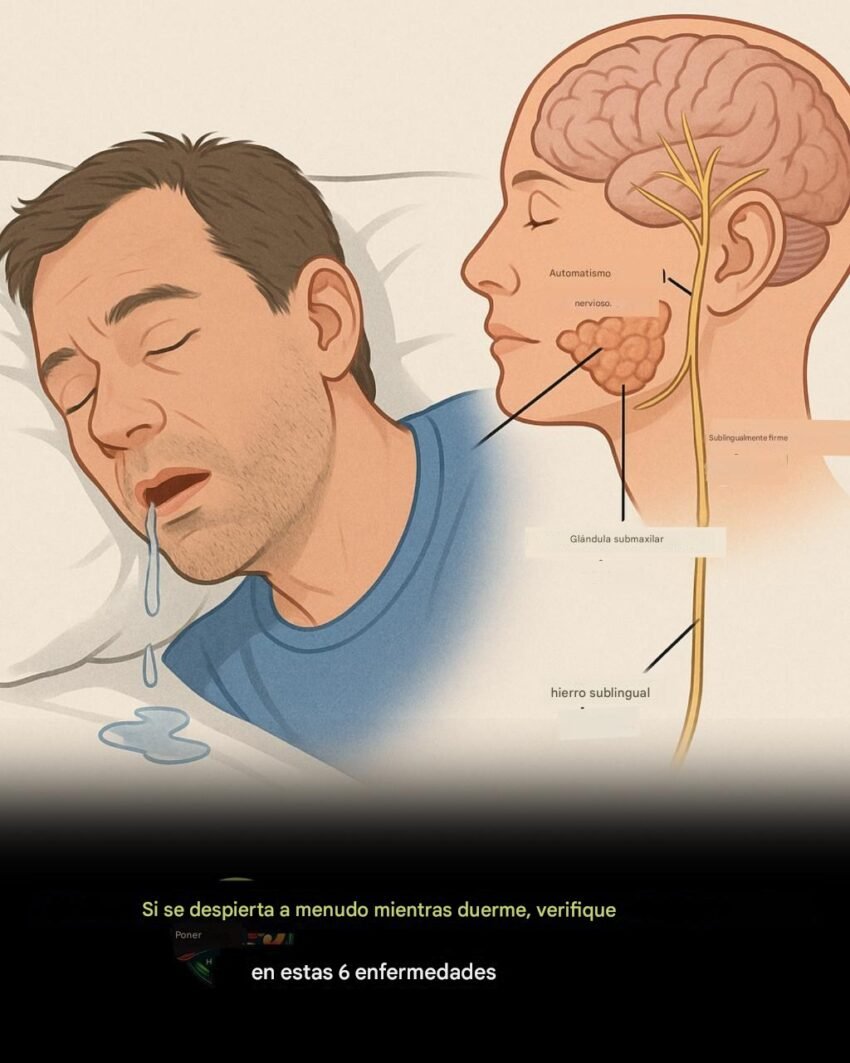
If You Often Drool While Sleeping, Check for These 6 Health Conditions
Introduction
Waking up with a wet pillow or noticing frequent drooling during sleep can be embarrassing and uncomfortable. While occasional drooling is normal, persistent or excessive drooling at night may signal an underlying health condition. It happens when saliva accumulates in the mouth because it isn’t swallowed efficiently, often due to sleeping position, mouth breathing, or certain medical conditions.
Understanding the possible causes can help you address the problem effectively and improve both your sleep quality and overall health. In this article, we explore six common health conditions that may cause nighttime drooling, their symptoms, and practical ways to manage them.
1. Sleep Apnea
Sleep apnea is a sleep disorder in which breathing repeatedly stops and starts during sleep.
Why it causes drooling:
-
Obstructed airways make breathing through the nose difficult.
-
Mouth breathing leads to saliva pooling in the mouth.
Other signs to watch for:
-
Loud snoring
-
Morning headaches
-
Daytime fatigue or sleepiness
-
Gasping or choking during sleep
Management tips:
-
Consult a doctor for evaluation and possible use of a CPAP machine.
-
Maintain a healthy weight, as obesity increases sleep apnea risk.
-
Sleep on your side instead of your back to reduce airway obstruction.
2. Gastroesophageal Reflux Disease (GERD)
GERD occurs when stomach acid flows back into the esophagus, irritating the throat.
Why it causes drooling:
-
Acid irritation triggers the body to produce extra saliva as a protective mechanism.
Other symptoms:
-
Heartburn or chest discomfort
-
Sour or bitter taste in the mouth
-
Nighttime coughing, choking, or difficulty sleeping
Management tips:
-
Avoid heavy meals, spicy or acidic foods before bedtime.
-
Elevate the head of your bed by 6–8 inches.
-
Use medications as prescribed by a doctor to control acid reflux.
3. Neurological Disorders
Certain neurological conditions affect the muscles responsible for swallowing and saliva control, leading to drooling.
Examples include:
-
Parkinson’s disease
-
Amyotrophic lateral sclerosis (ALS)
-
Stroke or other brain injuries
Other signs:
-
Slurred speech
-
Weak facial muscles
-
Difficulty swallowing or controlling saliva
Management tips:
-
Regular speech or swallowing therapy may help.
-
Medications may be prescribed to manage excessive saliva.
-
Addressing the underlying neurological condition is key to long-term improvement.
4. Allergies or Chronic Sinus Problems
Nasal congestion caused by allergies or sinus infections can force you to breathe through your mouth at night.
Why it causes drooling:
-
Mouth breathing reduces the natural swallowing reflex.
-
Saliva accumulates in the mouth when not swallowed regularly.
Other symptoms:
-
Stuffy or runny nose
-
Postnasal drip
-
Snoring or restless sleep
Management tips:
-
Treat allergies with medications or nasal sprays.
-
Use a humidifier to keep nasal passages clear.
-
Practice good nasal hygiene, including saline rinses.
5. Tonsillitis or Enlarged Tonsils
Inflamed or enlarged tonsils can partially block the throat and interfere with normal swallowing.
Why it causes drooling:
-
Swallowing saliva becomes more difficult, leading to accumulation in the mouth.
Other symptoms:
-
Sore throat
-
Difficulty swallowing
-
Bad breath
-
Frequent throat infections
Management tips:
-
Maintain good oral hygiene and gargle with warm salt water.
-
In severe or recurrent cases, a doctor may recommend tonsil removal.
6. Medication Side Effects
Some medications affect muscle control or increase saliva production, which can lead to drooling at night.
Common medications:
-
Antipsychotics
-
Certain anticonvulsants
-
Drugs affecting neurological function or muscle tone
Other symptoms:
-
Dry mouth during the day
-
Fatigue or drowsiness
-
Swallowing difficulties
Management tips:
-
Discuss with your doctor whether medication adjustments are possible.
-
Never stop or change medications without professional guidance.
How to Manage Nighttime Drooling
Even when addressing the underlying cause, these habits can help reduce drooling:
-
Sleep on your side instead of your back.
-
Elevate your head with a slightly raised pillow.
-
Maintain excellent oral hygiene.
-
Stay hydrated throughout the day.
-
Treat nasal congestion or allergies promptly.
-
Avoid heavy meals or alcohol close to bedtime.
When to Consult a Doctor
See a healthcare professional if:
-
Drooling is frequent or worsening
-
It’s accompanied by difficulty swallowing or speaking
-
There are neurological symptoms
-
It causes significant discomfort or sleep disruption
Early consultation helps identify underlying causes and ensures proper treatment.