Is Left-Side Sleeping the Secret to Better Health?
What Science and Real-Life Experience Actually Say
Sleep position might seem like a small detail, but it can influence digestion, circulation, breathing, and even how well you feel in the morning. Among all positions, left-side sleeping often gets singled out as “the healthiest.”
Is that true—or just another wellness myth?
Let’s break it down realistically, without exaggeration or fear-based claims.
Why Sleep Position Matters
When you sleep, your body spends 6–9 hours in the same posture. That position can affect:
-
Blood flow
-
Spine alignment
-
Organ function
-
Breathing efficiency
-
Pressure on joints and nerves
Left-side sleeping changes how gravity interacts with your organs—especially the heart, stomach, and intestines.
Potential Benefits of Left-Side Sleeping
1. May Improve Digestion
Your stomach and pancreas sit primarily on the left side.
Sleeping on your left side may:
-
Encourage smoother movement of food through the intestines
-
Reduce the chance of acid reflux
-
Help waste move more easily through the colon
This is why many doctors suggest left-side sleeping for people with occasional heartburn.
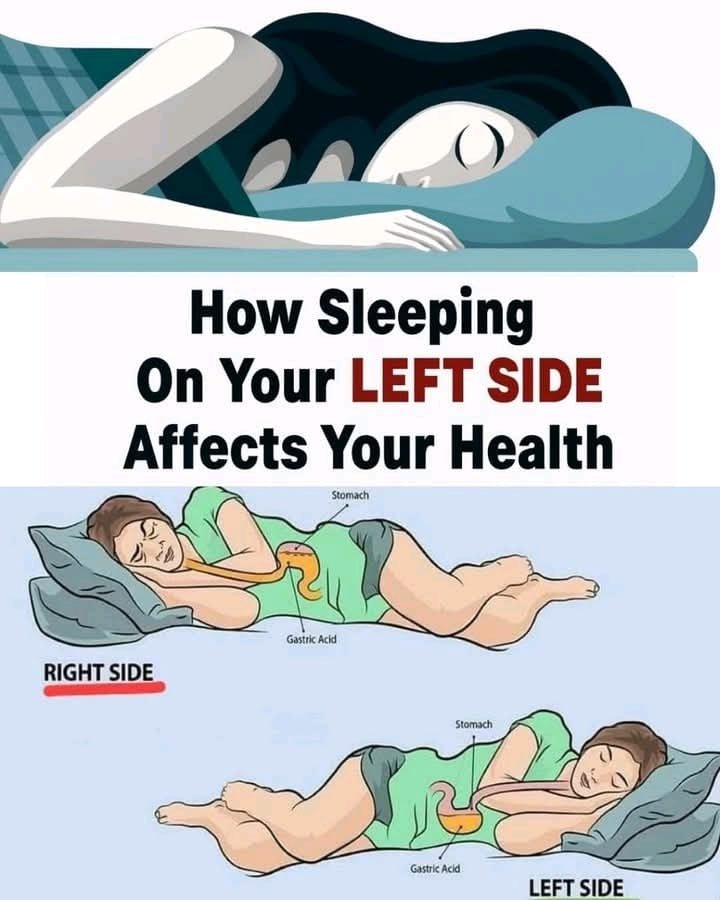
2. Can Reduce Acid Reflux Symptoms
The position of the esophagus relative to the stomach matters.
When you sleep on your left side:
-
The stomach sits below the esophagus
-
Acid is less likely to flow upward
Right-side sleeping has been associated with increased reflux in some individuals.
3. May Support Heart Health
The heart tilts slightly to the left.
Left-side sleeping may:
-
Reduce pressure on major blood vessels
-
Support circulation efficiency
-
Ease workload on the heart in some people
This is especially noted during pregnancy, where left-side sleeping is often recommended.
4. Supports Lymphatic Drainage
The lymphatic system helps remove waste and toxins.
Since much of the lymphatic drainage occurs on the left side, sleeping on that side may support:
-
Fluid balance
-
Waste processing
This is a supportive effect—not a detox cure.
5. May Help Reduce Snoring
Side sleeping in general helps keep airways more open than back sleeping.
Left-side sleeping can:
-
Reduce airway collapse
-
Improve breathing during sleep
-
Be helpful for mild snoring
When Left-Side Sleeping May Not Be Ideal
Left-side sleeping isn’t perfect for everyone.
It may cause discomfort if you:
-
Have left shoulder pain
-
Experience hip discomfort
-
Have certain spinal issues
In those cases, rotating sides or adjusting pillow support is better than forcing one position.
How Left-Side Sleeping Compares to Other Positions
| Position | Pros | Cons |
|---|---|---|
| Left side | Digestion, reflux support | Shoulder/hip pressure |
| Right side | Comfort for some | May worsen reflux |
| Back | Spine alignment | Snoring, apnea risk |
| Stomach | Less snoring | Neck & spine strain |
How to Sleep on Your Left Side Comfortably
If you want to try it:
-
Use a pillow that supports your neck, not just your head
-
Place a pillow between your knees
-
Keep shoulders stacked, not rolled forward
-
Switch sides occasionally to avoid joint strain
Comfort always matters more than perfection.
What Science Actually Says
Research supports side sleeping—especially left-side—for:
-
Reflux management
-
Pregnancy
-
Snoring reduction
However, no sleep position is a cure-all. Overall sleep quality, duration, and consistency matter far more than side choice alone.
Final Verdict
Left-side sleeping can offer real benefits—particularly for digestion, reflux, and circulation—but it’s not a magic solution.
The best sleep position is one that:
-
Keeps your spine neutral
-
Lets you breathe easily
-
Allows deep, uninterrupted sleep
If left-side sleeping feels good to your body, it’s worth adopting. If it doesn’t, comfort and quality come first.
Better sleep isn’t about forcing trends—it’s about listening to your body. 😴