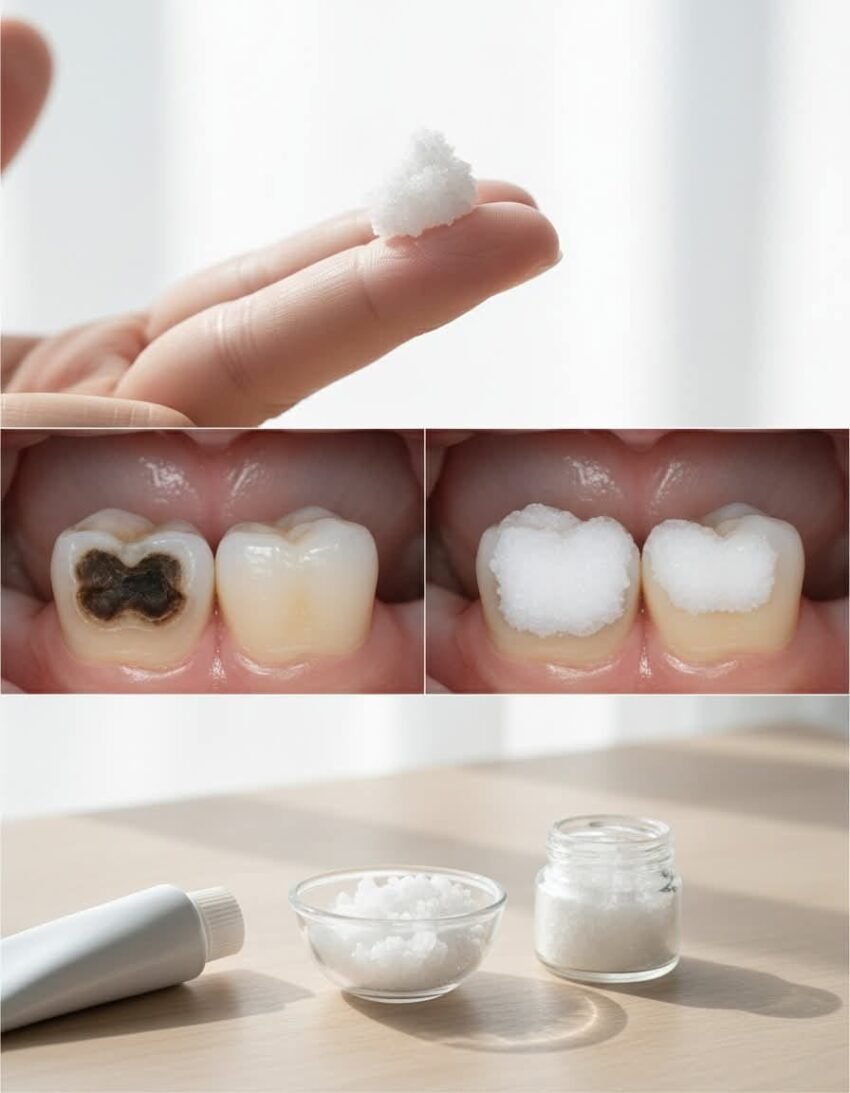
Keep These Tips in Mind to Avoid Visiting the Dentist: How to Naturally Repair a Cavity
Maintaining good oral health is not just about having a bright smile—it’s also about preventing pain, infections, and costly dental procedures. Many people want to know how to avoid visiting the dentist frequently and whether it’s possible to naturally repair a cavity.
While advanced cavities require professional dental treatment, early-stage tooth decay can sometimes be slowed or reversed naturally through proper care and lifestyle changes. In this article, we’ll explore safe, natural, and dentist-approved ways to protect your teeth, strengthen enamel, and reduce the risk of cavities—all while keeping your oral health in top shape.
Disclaimer: This article is for educational purposes only and does not replace professional dental advice. Always consult a qualified dentist for diagnosis or treatment.
What Is a Cavity?
A cavity is permanent damage to the hard surface of your tooth that develops into small openings or holes. Cavities are mainly caused by:
-
Poor oral hygiene
-
Excess sugar and acidic foods
-
Plaque buildup
-
Lack of essential minerals
In the early stage, tooth decay begins with enamel demineralization. At this point, natural repair is possible if proper steps are taken.
Can You Naturally Repair a Cavity?
The truth is:
-
❌ Advanced cavities cannot be healed naturally
-
✅ Early cavities (enamel decay) can sometimes be remineralized
Natural methods work by strengthening enamel, stopping decay progression, and preventing new cavities from forming.
Tips to Avoid Visiting the Dentist Frequently
1. Practice Excellent Oral Hygiene Daily
Good oral hygiene is your first line of defense against cavities.
Best practices include:
-
Brush twice a day using a soft-bristled toothbrush
-
Use fluoride or hydroxyapatite toothpaste
-
Brush for at least two minutes
-
Replace your toothbrush every 3 months
Proper brushing removes plaque before it damages your enamel.
2. Floss Every Day (It’s Not Optional)
Flossing removes food particles and plaque between teeth where brushing can’t reach. Skipping floss allows bacteria to thrive, increasing cavity risk.
Tip: Floss at night before bed for maximum benefit.
3. Reduce Sugar and Refined Carbohydrates
Sugar feeds harmful bacteria in your mouth, which produce acids that erode enamel.
Limit foods like:
-
Sugary snacks and candies
-
Soda and sweetened drinks
-
White bread and pastries
Instead, choose:
-
Fresh fruits
-
Vegetables
-
Nuts and seeds
4. Drink More Water (Especially After Meals)
Water helps:
-
Wash away food particles
-
Neutralize mouth acids
-
Promote saliva production
Fluoridated water can also strengthen enamel and prevent cavities.
How to Naturally Strengthen Teeth and Repair Early Cavities
5. Increase Mineral-Rich Foods
Teeth need minerals to stay strong.
Key nutrients include:
-
Calcium – milk, cheese, yogurt, leafy greens
-
Phosphorus – eggs, fish, nuts
-
Magnesium – bananas, avocados, seeds
These minerals help rebuild weakened enamel naturally.
6. Get Enough Vitamin D
Vitamin D helps your body absorb calcium effectively. Low vitamin D levels are linked to poor oral health.
Sources include:
-
Sunlight
-
Fatty fish
-
Egg yolks
-
Fortified foods
7. Use Natural Remineralizing Toothpaste
Some natural toothpastes contain ingredients like:
-
Hydroxyapatite
-
Calcium phosphate
-
Xylitol
These ingredients may help restore minerals to weakened enamel and prevent cavity progression.
8. Oil Pulling for Oral Hygiene Support
Oil pulling is an ancient practice involving swishing oil in your mouth.
How to do it:
-
Use 1 tablespoon of coconut oil
-
Swish for 10–15 minutes
-
Spit and rinse with warm water
Oil pulling may reduce harmful bacteria and support gum health, though it should never replace brushing.
9. Avoid Frequent Snacking
Constant snacking keeps acid levels high in your mouth, increasing enamel erosion.
Tip: Stick to regular meals and rinse your mouth with water after eating.
When Natural Methods Are Not Enough
If you experience:
-
Tooth pain
-
Sensitivity to hot or cold
-
Visible holes or dark spots
You should see a dentist immediately. Delaying treatment can lead to infections and more expensive procedures.
Final Thoughts
Learning how to naturally repair a cavity and avoid frequent dental visits starts with prevention. By maintaining excellent oral hygiene, eating a nutrient-rich diet, and avoiding harmful habits, you can protect your teeth and support early enamel repair naturally.
However, remember that natural remedies work best for prevention and early-stage decay. Regular dental checkups are still essential for long-term oral health.
Frequently Asked Questions (FAQs)
Can salt water heal a cavity?
Salt water can reduce bacteria and inflammation but cannot heal cavities.
Is fluoride necessary?
Fluoride helps strengthen enamel, but some people prefer alternatives like hydroxyapatite toothpaste.
Can cavities heal on their own?
Only very early enamel damage may remineralize with proper care.