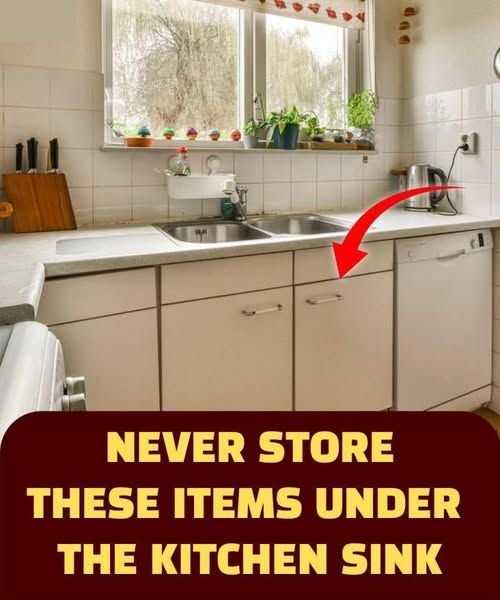
Never Store These Items Under the Kitchen Sink! Protect Your Home and Health
Discover the dangerous items you should never store under your kitchen sink. Avoid accidents, chemical reactions, and health risks with these expert tips.
The space under your kitchen sink is convenient for storing cleaning supplies, detergents, and miscellaneous items. But did you know that some items should never go there?
From toxic chemicals to flammable materials, storing the wrong things under your sink can put your family and home at risk.
This guide explains what you should avoid storing under the kitchen sink, why it’s dangerous, and safer alternatives.
Why Kitchen Sink Cabinets Can Be Risky
-
Moisture and leaks
-
Pipes under the sink can leak, causing corrosion, mold, or chemical reactions.
-
-
Poor ventilation
-
Most under-sink cabinets are enclosed, which can concentrate fumes from chemicals.
-
-
Child and pet access
-
Curious kids or pets may accidentally ingest dangerous substances.
-
-
Chemical interactions
-
Storing incompatible chemicals together can cause fires, explosions, or toxic gas release.
-
Items You Should Never Store Under the Kitchen Sink
1. Bleach
-
Highly reactive with acids (like vinegar)
-
Can produce toxic chlorine gas if spilled or mixed
-
Should be stored in a cool, dry, ventilated area away from sunlight
2. Ammonia-Based Cleaners
-
Strong fumes; dangerous if inhaled
-
Reacts violently with bleach, releasing chloramine gas
-
Keep in a separate, secure cabinet
3. Flammable Items
-
Lighter fluid, paint thinner, aerosol sprays
-
Heat or spark can ignite these easily in a confined cabinet
-
Store in fireproof containers away from the kitchen
4. Food or Perishables
-
Storing food here invites mold, bacteria, or pests
-
Moisture and leaks increase contamination risk
5. Medications
-
Heat and moisture can degrade medications, reducing effectiveness
-
Keep all medicines in a cool, dry, and secure location
6. Sharp Tools or Knives
-
Knives or blades in an under-sink cabinet are dangerous, especially if children access them
-
Always store in a knife block or secure drawer
7. Pressurized Containers
-
Aerosol cans, spray paint, or CO₂ cartridges may explode in high heat
-
Avoid storing in enclosed, humid cabinets
Safe Alternatives for Storage
| Item | Safer Storage Location |
|---|---|
| Bleach / strong chemicals | High, ventilated cabinet or locked utility closet |
| Flammable liquids | Fireproof cabinet away from kitchen |
| Food | Pantry or refrigerator |
| Medications | Cool, dry, childproof cabinet |
| Knives / sharp tools | Knife block, wall rack, or locked drawer |
Tips for Organizing Under the Kitchen Sink Safely
-
Use plastic bins for cleaning supplies to contain leaks.
-
Label all chemicals clearly to avoid accidental mixing.
-
Elevate items on a small tray to prevent water damage.
-
Keep a child-proof lock on the cabinet.
-
Inspect pipes regularly for leaks or corrosion.
Common Mistakes to Avoid
-
Mixing bleach and vinegar—can produce toxic gas
-
Storing spray cleaners next to heat sources
-
Placing food or spices under a damp sink
-
Ignoring leaky pipes, which can ruin supplies and increase mold risk
Frequently Asked Questions
Q1: Is it safe to store dish soap under the sink?
Yes, mild dish soaps are generally safe, but avoid mixing with strong chemicals.
Q2: Can I store paper towels under the sink?
Not recommended—moisture may cause them to get moldy.
Q3: How often should I clean the cabinet?
Every 2–3 months; check for leaks and remove expired chemicals.
Q4: What’s the best way to store chemicals safely?
Use a ventilated, high cabinet with clearly labeled containers and keep incompatible chemicals separate.
Conclusion
Your kitchen sink cabinet is convenient, but it can become a hidden hazard if you store the wrong items. Avoid bleach, ammonia, flammable liquids, medications, and food under your sink to protect your family and home.
By organizing carefully and using safer storage alternatives, you can keep your kitchen functional, safe, and clean.
Call to Action
Share this guide with friends and family to prevent kitchen accidents and chemical hazards.
For more home safety tips, cleaning hacks, and organization strategies, explore our other articles and keep your home safe year-round.