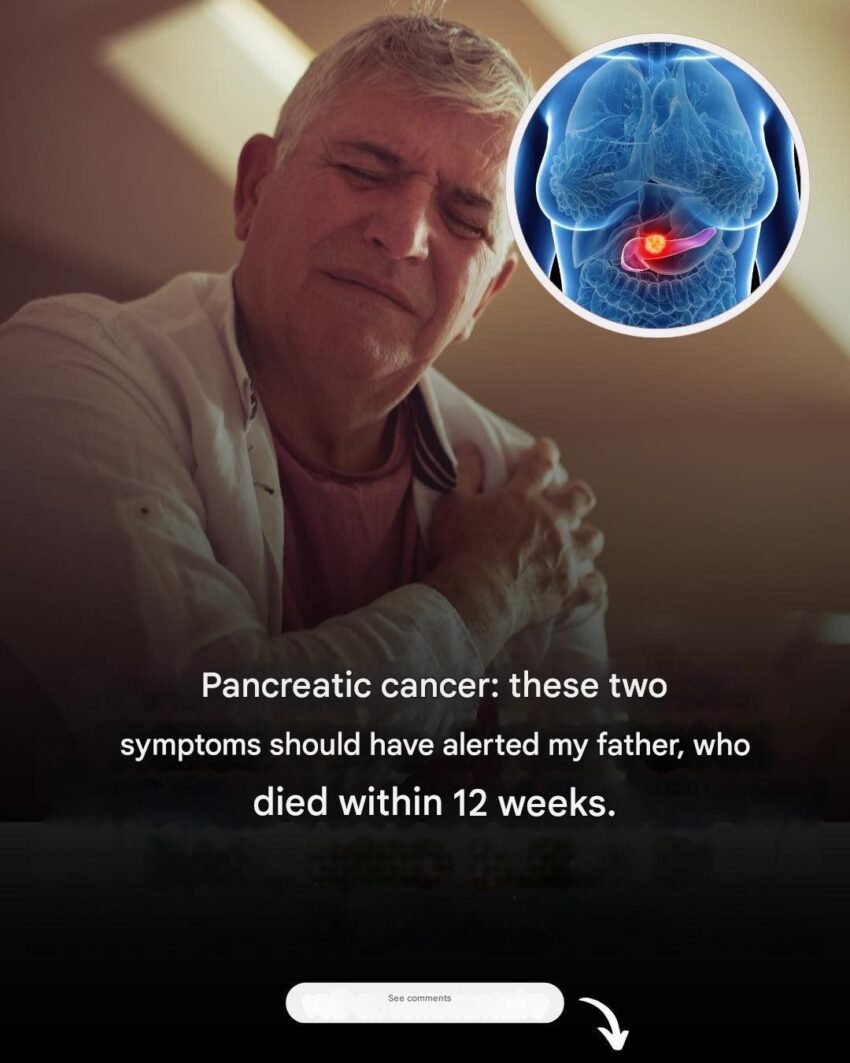
Pancreatic Cancer: Two Early Signs of an Often Fatal Cancer
Pancreatic cancer is one of the most aggressive and deadly forms of cancer. Often called a “silent killer,” it typically causes few noticeable symptoms in its early stages, which is why it is frequently diagnosed late—when treatment options are limited.
Understanding the early warning signs, even subtle ones, can help people seek medical attention sooner. While these symptoms do not always mean cancer, they should never be ignored.
Why Pancreatic Cancer Is So Dangerous
The pancreas is located deep in the abdomen, behind the stomach. Because of this hidden position:
-
Tumors can grow unnoticed
-
Early symptoms are vague or mistaken for other conditions
-
There is no routine screening test for the general population
As a result, pancreatic cancer often spreads before it is detected.
🔴 Two Early Signs of Pancreatic Cancer You Should Not Ignore
1️⃣ Unexplained Weight Loss and Loss of Appetite
One of the earliest and most common warning signs is unintentional weight loss, especially when it occurs without changes in diet or exercise.
Why This Happens:
-
The pancreas plays a key role in digestion
-
Cancer can interfere with enzyme production
-
The body may struggle to absorb nutrients
-
Tumors can affect hormones that control appetite
What to Watch For:
-
Sudden weight loss over weeks or months
-
Feeling full quickly
-
Loss of interest in food
-
Fatigue alongside appetite changes
While many conditions can cause weight loss, persistent or unexplained changes should always be evaluated by a healthcare professional.
2️⃣ Jaundice (Yellowing of Skin and Eyes)
Jaundice is another early sign that can appear when pancreatic cancer blocks the bile duct.
Signs of Jaundice Include:
-
Yellowing of the skin and whites of the eyes
-
Dark urine
-
Pale or clay-colored stools
-
Itchy skin
Why It’s Important:
When a tumor blocks bile flow, bilirubin builds up in the blood, causing visible changes. In some cases, jaundice may appear before pain, making it a critical early clue.
Other Possible Early Symptoms
While the two signs above are among the most common, other early symptoms may include:
-
Upper abdominal pain or discomfort
-
Pain that radiates to the back
-
New-onset diabetes (especially in older adults)
-
Digestive problems or greasy stools
-
Persistent nausea or bloating
These symptoms are often mild at first and may come and go.
Who Is at Higher Risk?
Certain factors increase the risk of pancreatic cancer:
-
Age over 50
-
Smoking
-
Family history of pancreatic cancer
-
Chronic pancreatitis
-
Type 2 diabetes
-
Obesity
-
Diet high in processed foods
Having one or more risk factors does not mean cancer will develop, but awareness is important.
When to See a Doctor
You should consult a healthcare professional if you experience:
-
Persistent unexplained weight loss
-
Yellowing of skin or eyes
-
Ongoing digestive issues
-
Abdominal or back pain that does not improve
Early evaluation can help rule out serious conditions or lead to earlier diagnosis.
Why Early Detection Matters
Although pancreatic cancer is aggressive, early-stage detection significantly improves outcomes. When diagnosed early:
-
Surgery may be an option
-
Treatments are more effective
-
Quality of life can be improved
-
Survival rates are higher
Listening to your body and acting on warning signs can make a real difference.
Frequently Asked Questions
Is pancreatic cancer always fatal?
No, but it has a high mortality rate because it’s often diagnosed late. Early detection improves survival.
Can these symptoms be caused by something else?
Yes. Many non-cancerous conditions can cause similar symptoms, which is why medical evaluation is essential.
Is there a screening test for pancreatic cancer?
Currently, there is no routine screening for the general population, but high-risk individuals may be monitored.
Final Thoughts
Pancreatic cancer is difficult to detect early, but awareness saves lives. Unexplained weight loss and jaundice are two early signs that should never be ignored—especially when they persist or worsen.
If something feels off, trust your instincts and seek medical advice. Early action can make all the difference.