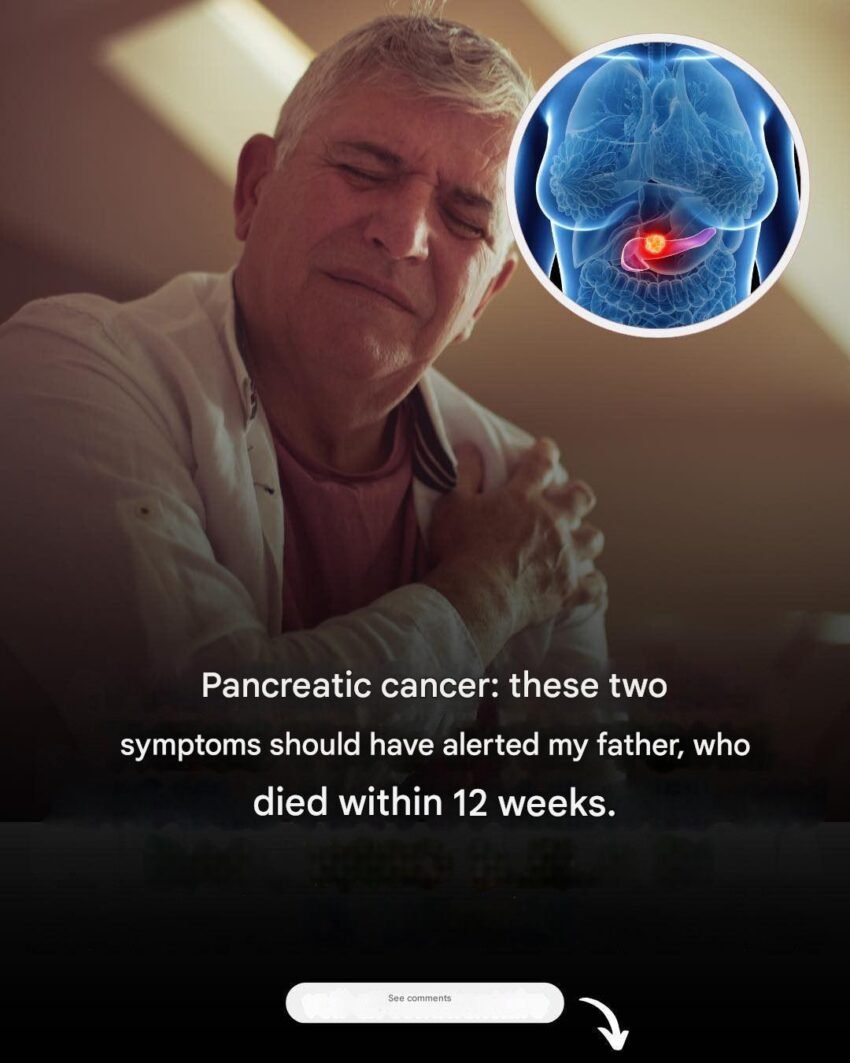
Pancreatic Cancer: Two Early Signs of an Often Fatal Cancer
Pancreatic cancer is hard to detect early. Learn about two early warning signs, why they’re often missed, and when to seek medical advice.
Introduction: Why Early Awareness of Pancreatic Cancer Matters
Pancreatic cancer is often described as one of the most dangerous cancers—not because it is always aggressive, but because it is rarely detected early. The pancreas sits deep inside the abdomen, and early tumors usually don’t cause obvious or severe symptoms. As a result, many people are diagnosed only after the disease has progressed.
Despite this, the body often gives early warning signs. The problem is that these signs are subtle, common, and easy to ignore. Recognizing them doesn’t mean assuming the worst—it means knowing when to ask the right questions.
In this article, we’ll focus on two early signs of pancreatic cancer that are frequently overlooked, explain why they occur, and clarify when medical evaluation is important.
Understanding Pancreatic Cancer (Brief Overview)
The pancreas plays a vital role in:
-
Digestion (producing enzymes that break down food)
-
Blood sugar control (producing insulin)
Pancreatic cancer develops when abnormal cells grow uncontrollably in this organ. Because of its location, symptoms often don’t appear until nearby structures are affected.
Early-stage pancreatic cancer is difficult to detect through routine exams, which makes symptom awareness especially important.
Why Early Signs Are Often Missed
Early pancreatic cancer symptoms are commonly overlooked because they:
-
Mimic everyday digestive issues
-
Develop gradually
-
Are painless at first
-
Come and go
Many people attribute early signs to stress, diet, aging, or minor illnesses, delaying medical attention.
Two Early Signs of Pancreatic Cancer
1. Unexplained Weight Loss and Loss of Appetite
One of the earliest and most common warning signs is unintentional weight loss, often accompanied by reduced appetite.
Why This Happens
-
The pancreas may stop producing enough digestive enzymes
-
The body struggles to absorb nutrients properly
-
Cancer-related metabolic changes increase energy use
What to Watch For
-
Weight loss without dieting or increased exercise
-
Feeling full quickly
-
Reduced interest in food
-
Clothes fitting looser over a short period
Losing more than a small percentage of body weight without trying should always be discussed with a healthcare provider.
2. Subtle Digestive Changes (Especially Stool Changes)
Digestive changes are another early but frequently ignored sign.
Possible Digestive Clues
-
Pale or light-colored stools
-
Greasy or floating stools
-
Strong or unusual stool odor
-
Ongoing bloating or indigestion
Why This Happens
The pancreas produces enzymes needed to digest fats. When this function is disrupted, fats are poorly absorbed, leading to noticeable changes in bowel movements.
Because these symptoms resemble common digestive issues, many people delay evaluation.
Why These Two Signs Are So Important
Unlike more obvious symptoms such as jaundice or severe pain—which often appear later—weight loss and digestive changes may occur early. Recognizing them can lead to earlier testing and, potentially, earlier diagnosis.
It’s important to emphasize:
-
These symptoms do not automatically mean cancer
-
Many non-serious conditions can cause similar issues
-
Persistence and progression are what matter most
When Should You See a Doctor?
You should seek medical advice if:
-
Weight loss is unexplained and ongoing
-
Digestive changes last more than a few weeks
-
Symptoms worsen over time
-
Multiple symptoms appear together
-
You have risk factors such as smoking, family history, or chronic pancreatitis
Early evaluation does not mean panic—it means being proactive.
Common Reasons People Ignore These Signs
-
Assuming weight loss is a positive change
-
Blaming digestion on diet or stress
-
Expecting symptoms to resolve on their own
-
Avoiding medical visits due to fear
Unfortunately, delayed attention is one reason pancreatic cancer is often diagnosed late.
How Doctors Evaluate Early Symptoms
If pancreatic issues are suspected, doctors may recommend:
-
Blood tests
-
Imaging studies
-
Stool tests
-
Referral to a specialist
Early investigation can help rule out serious conditions or identify problems sooner.
Frequently Asked Questions
1. Do these early signs always indicate pancreatic cancer?
No. Many non-cancerous conditions can cause similar symptoms.
2. Is pancreatic cancer always fatal?
No. Outcomes vary, and early detection improves treatment options.
3. Can digestive problems be the only early symptom?
Yes, especially in the early stages.
4. Is weight loss always noticeable?
It may be gradual and easy to overlook at first.
5. Are these signs different from stomach problems?
They can look similar, which is why persistence matters.
6. Can younger people experience early signs?
Yes, although risk increases with age.
7. Does pain appear early?
Pain often develops later, not early.
8. Should mild symptoms still be checked?
Yes, if they persist or worsen.
Trusted Health Information Sources
-
World Health Organization
-
National Cancer Institute
-
American Cancer Society
-
Mayo Clinic
-
Wikipedia (medical reference)
Conclusion: Early Awareness Can Change Outcomes
Pancreatic cancer is often dangerous because it hides in plain sight. Unexplained weight loss and subtle digestive changes are two early signs that deserve attention—not fear, but awareness.
Listening to your body, noticing patterns, and seeking medical advice when something doesn’t feel right can make a meaningful difference. Early action offers the best chance for clearer answers and better outcomes.
Call to Action
If this article helped you understand early warning signs, consider sharing it with friends or family. Awareness saves time—and sometimes, lives. Stay informed, stay attentive, and don’t ignore persistent changes in your health.