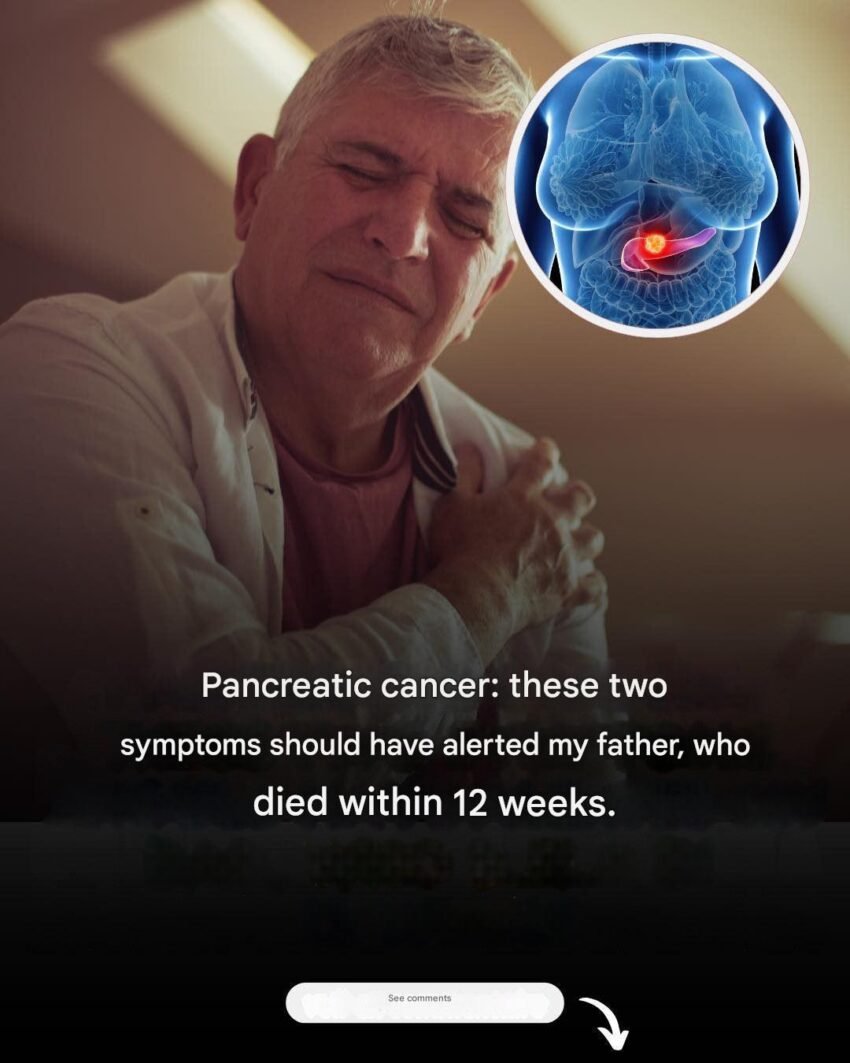
Pancreatic Cancer: Two Early Signs of an Often Fatal Cancer
Meta Description: Pancreatic cancer is deadly because it often shows no symptoms early. Learn the two key warning signs that may help detect it sooner.
Pancreatic cancer is one of the most aggressive and deadly cancers because it is often diagnosed late, when treatment options are limited. According to the American Cancer Society, the 5-year survival rate is only around 12%, primarily because early symptoms are subtle or mistaken for other conditions.
Recognizing early warning signs can make a difference, so here are two key symptoms every adult should know.
1. Unexplained Upper Abdominal or Back Pain
-
What it feels like: A dull or persistent pain in the upper abdomen or middle/back region.
-
Why it happens: Tumors in the pancreas can press against nerves or surrounding organs, causing discomfort that may radiate to the back.
-
Warning signs to notice:
-
Pain that worsens after eating
-
Persistent, dull ache that does not improve with typical remedies
-
Pain accompanied by bloating or indigestion
-
Tip: While occasional stomach or back pain is common, persistent or worsening pain—especially in adults over 50—should be evaluated by a doctor.
2. Unexplained Weight Loss and Appetite Changes
-
What it feels like: Losing weight without changes in diet or activity level.
-
Other signs:
-
Feeling full quickly after small meals
-
Loss of appetite
-
Fatigue or weakness
-
-
Why it happens: Pancreatic tumors can interfere with digestion, reduce nutrient absorption, and alter metabolism, leading to unexpected weight loss.
Important: Unexplained weight loss is a general warning sign for several serious conditions. Combined with other symptoms, it can indicate pancreatic cancer.
Other Symptoms to Watch (Early Warning Signs May Be Subtle)
While the two signs above are among the earliest indicators, other symptoms may include:
-
Yellowing of the skin or eyes (jaundice)
-
Dark urine or pale stools
-
New-onset diabetes or difficulty controlling blood sugar
-
Nausea or vomiting
-
Fatigue and weakness
Note: These symptoms often appear later in the disease, which is why early recognition of subtle signs like abdominal pain and weight loss is critical.
Risk Factors for Pancreatic Cancer
Understanding risk factors can help with early detection:
-
Age over 50
-
Smoking history
-
Chronic pancreatitis
-
Family history of pancreatic or other cancers
-
Obesity or diabetes
What to Do If You Notice These Signs
-
Seek prompt medical evaluation: Early detection dramatically improves treatment outcomes.
-
Diagnostic tests may include:
-
Ultrasound or CT scan
-
MRI or endoscopic ultrasound
-
Blood tests for tumor markers (e.g., CA 19-9)
-
-
Discuss risk factors with your doctor: Lifestyle changes or surveillance may be recommended for high-risk individuals.
Prevention and Healthy Habits
While not all cases can be prevented, certain measures may reduce risk:
-
Maintain a healthy weight and balanced diet
-
Avoid tobacco products
-
Exercise regularly to improve metabolic health
-
Manage diabetes and chronic conditions carefully
Bottom Line
Pancreatic cancer is often deadly because it develops silently, but recognizing persistent upper abdominal/back pain and unexplained weight loss can be crucial for early detection.
“Pay attention to your body’s subtle warnings—early evaluation can save lives.”