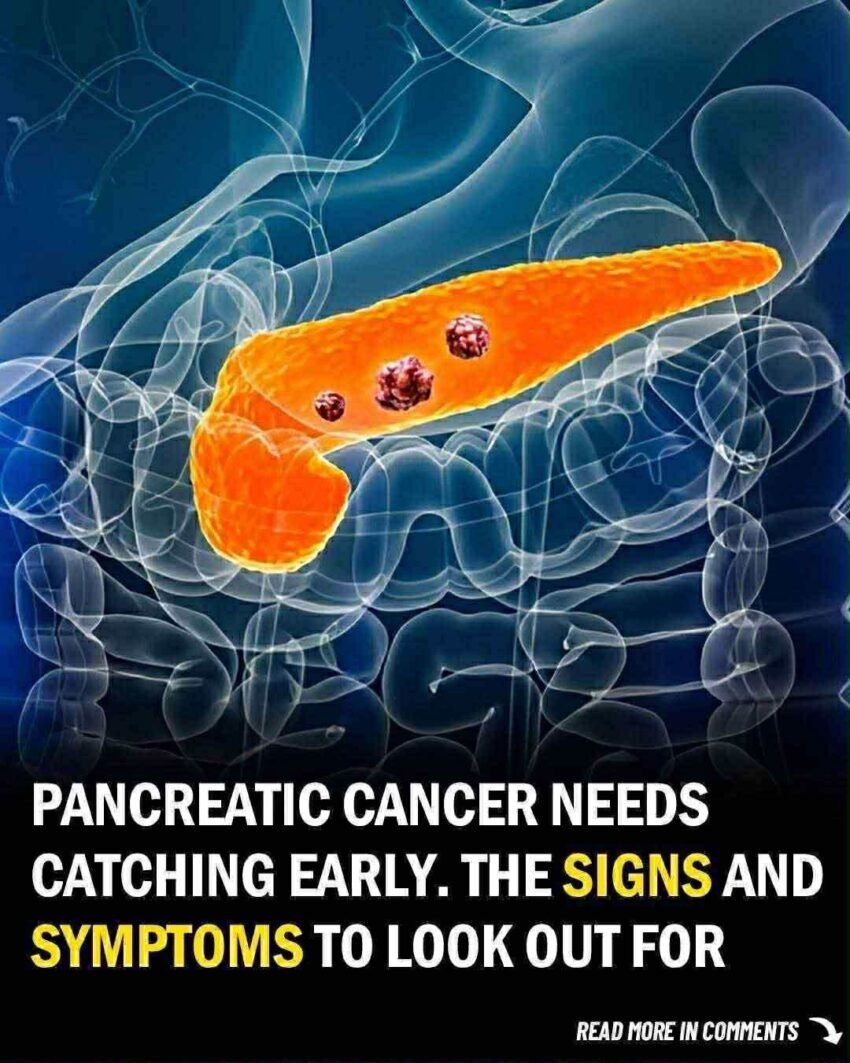
Signs of Pancreatic Cancer You Should Never Ignore
Learn the early warning signs of pancreatic cancer. Early detection can save lives—know what to watch for and when to consult a doctor.
Introduction: The Silent Nature of Pancreatic Cancer
Pancreatic cancer is often called a “silent killer” because early symptoms are subtle and easily mistaken for other health issues. According to the American Cancer Society, only about 10% of cases are detected early, making awareness critical.
Recognizing early signs and risk factors is essential for prompt diagnosis and effective treatment. In this article, you’ll learn:
-
Common and subtle signs of pancreatic cancer
-
Risk factors that increase susceptibility
-
Steps to take if you notice warning signs
1. Unexplained Abdominal or Back Pain
-
What it feels like: Persistent pain in the upper abdomen, sometimes radiating to the back
-
Why it matters: Tumors in the pancreas can press on surrounding nerves or organs, causing discomfort
-
Tip: Pay attention to constant, dull pain that doesn’t improve with rest or medication
2. Unintended Weight Loss
-
Symptoms: Rapid loss of weight without changes in diet or exercise
-
Why it matters: Pancreatic cancer can interfere with digestion and metabolism, leading to unintentional weight loss
-
Tip: Track any unexplained weight changes and discuss them with a doctor
3. Loss of Appetite or Early Satiety
-
Symptoms: Feeling full quickly, even after small meals
-
Why it matters: Tumors may affect digestion or hormone regulation, causing decreased appetite
-
Tip: Persistent appetite changes, especially when combined with other symptoms, warrant medical evaluation
4. Jaundice (Yellowing of Skin and Eyes)
-
Symptoms: Yellow skin or eyes, dark urine, light-colored stools
-
Why it matters: Tumors in the head of the pancreas can block the bile duct, causing bile buildup
-
Tip: Seek immediate medical attention if jaundice appears, even without other symptoms
5. Digestive Issues
-
Symptoms: Nausea, vomiting, indigestion, or oily/foul-smelling stools
-
Why it matters: Pancreatic dysfunction can impair digestion and fat absorption
-
Tip: Persistent gastrointestinal symptoms should not be ignored, especially in combination with other warning signs
6. New-Onset Diabetes
-
Symptoms: Frequent urination, excessive thirst, unexplained weight loss
-
Why it matters: Pancreatic cancer can disrupt insulin production, leading to diabetes in previously healthy adults
-
Tip: Sudden diabetes in adults over 50 may require evaluation of pancreatic function
7. Blood Clots
-
Symptoms: Swelling, pain, or redness in the legs (deep vein thrombosis), or sudden shortness of breath
-
Why it matters: Pancreatic cancer can increase clotting risk
-
Tip: Any unexplained clot should prompt medical consultation
Risk Factors for Pancreatic Cancer
-
Age: Most cases occur after age 60
-
Family history: Genetic predisposition increases risk
-
Smoking: Cigarette use is a significant risk factor
-
Chronic pancreatitis or diabetes: Can increase susceptibility
-
Obesity and poor diet: High-fat, low-fiber diets may contribute
When to See a Doctor
Consult a healthcare professional if you notice:
-
Persistent abdominal or back pain
-
Unexplained weight loss
-
Jaundice or changes in stool or urine color
-
New-onset diabetes or digestive problems
Early consultation can lead to diagnostic imaging, blood tests, and timely intervention.
Prevention and Early Detection Tips
-
Avoid smoking and limit alcohol
-
Maintain a healthy weight and balanced diet
-
Exercise regularly
-
Discuss family history and consider genetic counseling if at risk
-
Attend routine medical checkups for early detection
Frequently Asked Questions (FAQs)
Can pancreatic cancer be detected early?
Yes, but early symptoms are subtle. Imaging tests like CT scans or MRIs can help detect tumors before advanced symptoms appear.
Are there lifestyle changes that reduce risk?
Healthy diet, exercise, avoiding smoking, and controlling diabetes may reduce risk, but genetics also play a significant role.
What is the survival rate for pancreatic cancer?
Survival improves significantly with early detection, highlighting the importance of recognizing warning signs.
Conclusion: Pay Attention to Your Body
Pancreatic cancer is challenging to detect early, but awareness of subtle warning signs can save lives. Persistent abdominal pain, unexplained weight loss, jaundice, digestive issues, or new-onset diabetes should never be ignored.
By monitoring your health, understanding risk factors, and consulting a healthcare provider promptly, you take control of your well-being.
Call to Action
If you or someone you know experiences these warning signs, schedule a medical checkup immediately. Share this information with loved ones—early awareness can make a life-saving difference.