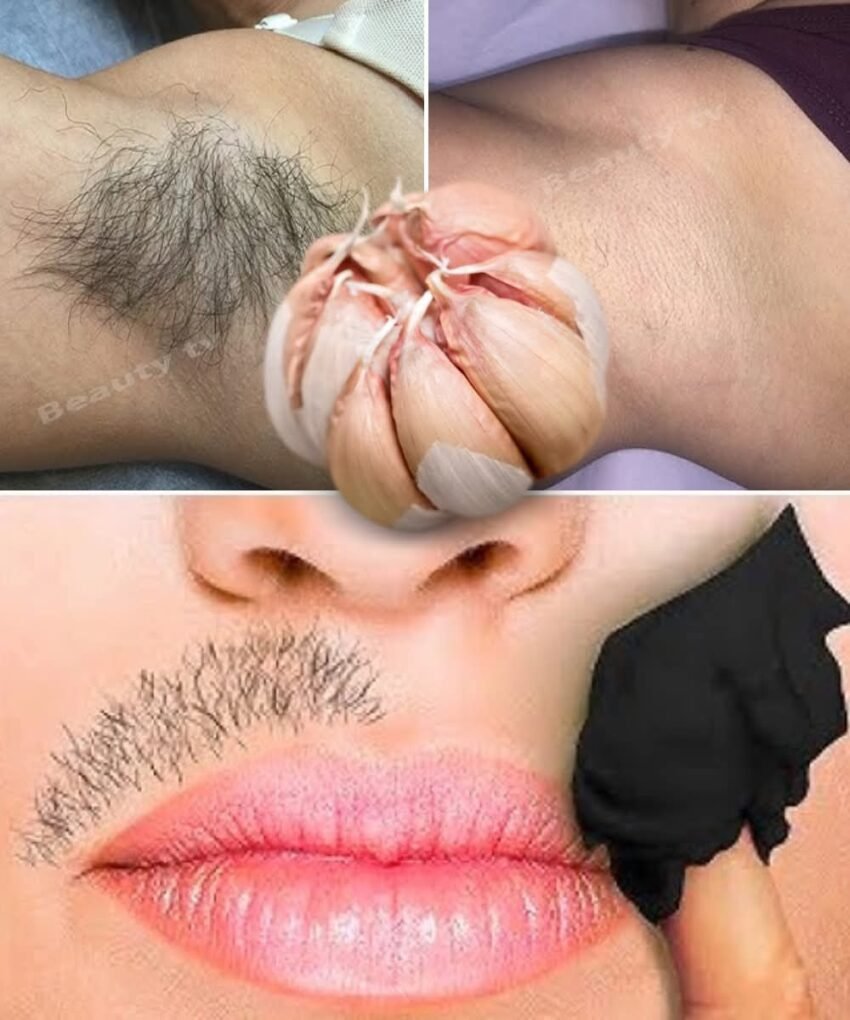
Tired of shaving? Discover safe, natural ways to reduce facial, body, and pubic hair growth with expert tips, routines, and honest results.
Introduction: Why So Many People Want to Quit Shaving
Shaving is quick, but it’s also temporary, irritating, and never-ending. Razor bumps, ingrown hairs, dark patches, and daily upkeep push many people to look for gentler, longer-lasting alternatives—especially for sensitive areas like the face, underarms, and bikini line.
Natural hair-reduction methods have surged in popularity as people become more ingredient-conscious and wary of harsh chemicals. But here’s the honest truth upfront:
No natural method can guarantee instant, 100% permanent hair removal for everyone.
What natural approaches can do—when used consistently and correctly—is slow regrowth, weaken hair follicles over time, reduce thickness, and extend hair-free periods, sometimes dramatically.
This guide cuts through myths and hype. You’ll learn what actually works, what doesn’t, and how to build a realistic, skin-safe routine backed by traditional practices and modern understanding of skin biology.
How Hair Growth Works (And Why “Permanent” Is Complicated)
Understanding hair growth helps set realistic expectations.
The Hair Growth Cycle (Simplified)
Hair grows in three phases:
-
Anagen (growth phase) – Hair is actively growing
-
Catagen (transition phase) – Follicle shrinks
-
Telogen (resting phase) – Hair eventually sheds
Only hair in the anagen phase can be affected effectively by any reduction method—natural or clinical. Since not all hairs are in the same phase at once, repeated treatments over time are essential.
What Natural Methods Can and Can’t Do
They can:
-
Slow regrowth
-
Make hair finer and lighter
-
Reduce density over time
-
Improve skin tone and texture
They cannot:
-
Instantly destroy follicles
-
Work equally fast for everyone
-
Replace medical procedures for hormonal hair growth disorders
Is Natural Hair Reduction Safe for All Body Areas?
Generally, yes—when done correctly.
| Area | Suitability | Notes |
|---|---|---|
| Face | High | Patch testing is critical |
| Underarms | High | Avoid harsh scrubs |
| Arms & Legs | Very High | Best results here |
| Bikini Line | Moderate | Use mild formulas only |
| Pubic Area | Cautious | External skin only; no internal use |
12 Natural Ingredients That May Help Reduce Hair Growth Over Time
These ingredients are commonly referenced in dermatology discussions, traditional medicine, and cosmetic formulations. Results vary by genetics, hormones, and consistency.
1. Turmeric (Curcuma longa)
Turmeric contains curcumin, known for anti-inflammatory and enzyme-modulating properties.
Why it helps:
Repeated topical use may weaken hair roots and slow regrowth while brightening skin.
How to use:
-
Mix turmeric powder with milk or rose water
-
Apply a thin layer, let dry, gently rub off
-
Use 2–3 times weekly
Best for: Face and arms
2. Papaya & Papain Enzyme
Papaya contains papain, an enzyme studied for its ability to break down proteins.
Why it helps:
May interfere with hair follicle function when massaged regularly.
How to use:
-
Mash raw papaya
-
Massage gently for 5 minutes
-
Leave on 10 minutes, rinse
-
Once weekly
3. Sugar + Lemon (Natural Sugaring)
A traditional hair-removal method practiced for centuries.
Why it helps:
Removes hair from the root; over time, regrowth may become slower and thinner.
Bonus: Exfoliation improves skin texture.
4. Oatmeal & Banana Scrub
A mechanical exfoliant that targets fine facial hair.
Why it helps:
Gentle friction can weaken follicles over time.
Use case: Upper lip, cheeks, jawline
5. Spearmint Tea (Internal Support)
This is one of the most researched natural options for hormonally influenced hair growth.
What studies suggest:
Spearmint tea may help lower free testosterone levels in some women.
How to use:
-
1–2 cups daily
-
Consistency over several months is key
(Always consult a professional if you have hormonal conditions.)
6. Gram Flour (Besan) Masks
A staple in South Asian skincare rituals.
Why it helps:
Acts as a natural exfoliant and hair-lifting agent.
Common blend:
Besan + turmeric + milk or yogurt
7. Egg White Peel Mask
Protein-rich and tightening.
Why it helps:
Physically removes fine hair and dead skin.
Note: Temporary results, best for events—not long-term reduction alone.
8. Aloe Vera + Papaya Blend
A gentler version of papaya treatment.
Why it helps:
Soothes skin while delivering enzyme action.
9. Essential Oils (Adjunct Only)
Oils like lavender and tea tree are often mentioned.
Important:
They do not remove hair alone, but may support skin health when diluted properly.
10. Natural Exfoliation Routines
Consistent exfoliation prevents ingrowns and may reduce hair visibility.
Options:
-
Coffee grounds
-
Rice powder
-
Soft loofah (no harsh scrubbing)
11. Diet & Micronutrient Balance
Hair growth is influenced by internal health.
Focus on:
-
Zinc
-
Vitamin D
-
Omega-3 fatty acids
Balanced nutrition supports hormonal stability.
12. Consistency (The Most Overlooked “Ingredient”)
Natural methods require weeks to months, not days.
Step-by-Step: A Realistic 8-Week Natural Hair-Reduction Routine
Week 1–2
-
Gentle exfoliation twice weekly
-
Turmeric mask once weekly
Week 3–4
-
Add papaya or besan treatment
-
Start spearmint tea (if appropriate)
Week 5–6
-
Switch from shaving to sugaring or waxing
-
Continue masks consistently
Week 7–8
-
Assess regrowth speed and thickness
-
Adjust frequency, not intensity
Pros and Cons of Natural Hair Reduction
Pros
-
Low cost
-
Minimal chemical exposure
-
Improves skin quality
-
Suitable for sensitive skin (with care)
Cons
-
Requires patience
-
Results vary
-
Not truly permanent for everyone
-
Less effective for coarse, hormonal hair
Common Mistakes to Avoid
-
Overusing abrasive scrubs
-
Skipping patch tests
-
Expecting overnight results
-
Using acidic ingredients on sensitive areas
-
Ignoring underlying hormonal issues
What About Medical & Dermatology Perspectives?
Dermatologists acknowledge that while clinical treatments like laser and electrolysis offer more predictable long-term results, natural methods can complement professional care, especially for people seeking gentler maintenance options.
Reputable medical sources emphasize:
-
Skin barrier protection
-
Inflammation control
-
Hormonal balance for excessive hair growth
FAQs: People Also Ask
1. Can natural methods permanently stop hair growth?
They can significantly reduce and slow regrowth, but permanent results vary by individual.
2. How long before I see results?
Typically 6–12 weeks with consistent use.
3. Are these methods safe for teenagers?
Mild methods may be suitable, but supervision is advised.
4. Can men use these techniques?
Yes. Results depend on hair thickness and hormones.
5. Do these work for PCOS-related hair growth?
They may help slightly, but medical guidance is essential.
6. Is turmeric safe for daily use?
2–3 times weekly is usually sufficient.
7. Will hair grow back thicker if I stop?
No evidence supports that. Hair may simply return to its natural cycle.
8. Are natural methods better than shaving?
They often result in smoother regrowth and fewer ingrowns.
9. Can I combine methods?
Yes—combining exfoliation, masks, and lifestyle support works best.
10. When should I see a dermatologist?
If hair growth is sudden, excessive, or accompanied by other symptoms.
Latest Trends & Future Outlook
-
Increased research into plant-based enzyme inhibitors
-
Rise of minimalist, ingredient-transparent skincare
-
Integration of natural routines with professional treatments
-
Greater focus on hormonal health and gut-skin connection
Final Thoughts: Is It Time to Put the Razor Down?
Quitting shaving doesn’t mean chasing unrealistic promises. It means choosing informed, skin-friendly habits that align with your body and lifestyle.
Natural hair-reduction methods reward patience. When practiced consistently, many people experience slower growth, finer hair, and healthier skin—without the irritation cycle of daily shaving.
Your Next Step
Start with one or two methods, track your results, and adjust thoughtfully. Share this guide with someone who’s tired of shaving too—and keep the conversation honest, informed, and skin-positive.
If you found this helpful, consider bookmarking it and checking back as new research and techniques continue to evolve.