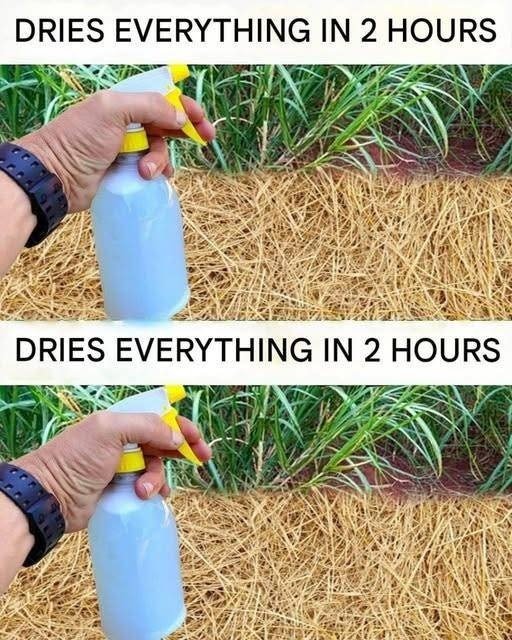
The Best Homemade Weed Killer: No Poison (Dries Weeds Fast)
If you’re tired of weeds popping up in driveways, sidewalk cracks, and patios—and you want to avoid harsh chemicals—there is a simple homemade option many homeowners swear by.
This solution uses common household ingredients, works best on sunny days, and can dry out young weeds quickly when applied correctly.
⚠️ Important upfront note: “Natural” doesn’t automatically mean harmless. Even homemade weed killers can damage plants, soil, and surfaces if misused. This guide explains where it works best—and where it doesn’t.
Why People Look for Homemade Weed Killers
Many homeowners want alternatives to commercial herbicides because they:
-
Prefer to avoid synthetic chemicals
-
Have kids or pets around
-
Want a low-cost solution
-
Need spot treatment (not whole-lawn spraying)
Homemade weed killers are best for hardscape areas, not lawns or gardens.
The Simple Homemade Weed Killer Recipe
What You’ll Need
-
White vinegar (5% acidity)
-
Dish soap (a few drops, not antibacterial)
-
Spray bottle
Optional (Use With Caution)
-
Salt (only for cracks or gravel—never soil you want to reuse)
How to Mix It
-
Fill the spray bottle with white vinegar
-
Add 1–2 teaspoons of dish soap
-
Gently swirl (don’t shake too hard)
The soap helps the vinegar stick to the leaves, allowing it to work more effectively.
How It Works
-
Vinegar dries out plant leaves by breaking down cell membranes
-
Sunlight + heat speed up dehydration
-
Soap prevents runoff so the solution stays on the weed
Young, tender weeds can begin wilting within hours, especially in hot, dry weather.
Best Time to Apply
For best results:
-
Choose a hot, sunny day
-
Apply in late morning or early afternoon
-
Make sure no rain is expected for 24 hours
Sun exposure is a big part of why people see fast results.
Where This Works Best (Very Important)
✅ Good Uses
-
Driveway cracks
-
Sidewalk seams
-
Gravel paths
-
Patios and pavers
-
Fence lines
❌ Do NOT Use On
-
Lawns
-
Garden beds
-
Near trees or shrubs
-
Soil you want to plant later
Vinegar does not distinguish between weeds and plants you like.
What About Salt?
Some recipes add salt, but here’s the truth:
-
Salt kills plants effectively
-
Salt damages soil long-term
-
Salt can spread and affect nearby plants
Recommendation:
Only use salt-based mixtures in permanent non-growing areas (concrete cracks, gravel driveways).
Common Mistakes to Avoid
-
Spraying on windy days (drift can kill nearby plants)
-
Overusing salt
-
Assuming it kills roots (it usually doesn’t)
-
Applying to mature, deep-rooted weeds and expecting instant results
This method is best for young weeds and repeat spot treatments.
Will It Kill Weeds Permanently?
Honest answer: No—at least not always.
-
It kills the top growth
-
Deep roots may resprout
-
Reapplication may be needed
That’s true for many weed-control methods, including commercial products.
Safety Tips
-
Wear gloves and eye protection
-
Avoid spraying barefoot
-
Keep pets away until dry
-
Don’t store mixed solution long-term
Even vinegar can irritate skin and eyes.
Final Thoughts
This homemade weed killer is:
-
Affordable
-
Easy to make
-
Effective for the right situations
-
Free of synthetic herbicides
It’s not magic, but when used correctly, it’s a simple, practical tool for keeping hard surfaces weed-free—without reaching for harsh chemicals.
💬 Join the Conversation
Have you tried a homemade weed killer before?
Share what worked (or didn’t) for you—and where you used it.