The Enigma of Nocturnal Immobility: When the Body Refuses to Obey
Have you ever woken up at night, unable to move, while a wave of fear or panic washes over you? You’re not alone. This strange phenomenon, often called sleep paralysis, is more common than most people realize—and it’s shrouded in mystery, science, and even folklore.
In this article, we’ll explore why nocturnal immobility happens, what triggers it, and how you can regain control over your sleep.
What Is Nocturnal Immobility?
Nocturnal immobility is when your body temporarily refuses to respond, typically during the transition between wakefulness and sleep. The mind may be alert, but your muscles feel frozen.
Key characteristics include:
-
Inability to move arms, legs, or body
-
Difficulty speaking
-
A feeling of pressure on the chest
-
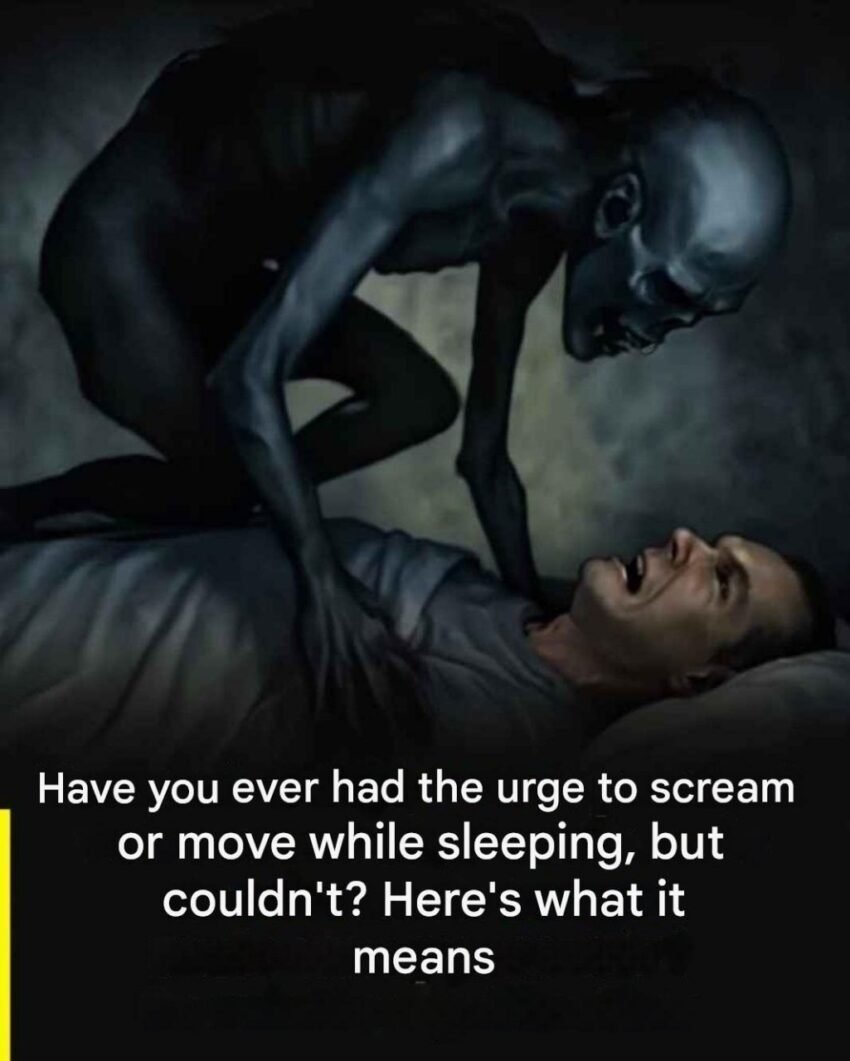
Hallucinations, such as seeing shadows or sensing a presence
While it’s harmless in most cases, the experience can be terrifying, especially for first-time sufferers.
Why It Happens: The Science Behind the Freeze
Sleep paralysis occurs when the brain and body are out of sync during sleep stages:
-
REM Sleep Disruption
-
During REM (Rapid Eye Movement) sleep, your brain sends signals to paralyze most muscles to prevent acting out dreams.
-
If you wake up before the paralysis ends, your mind is conscious, but your body isn’t.
-
-
Sleep Cycle Disturbances
-
Irregular sleep schedules, jet lag, or shift work can increase episodes.
-
-
Stress and Anxiety
-
Mental strain can trigger episodes, as stress interferes with REM sleep regulation.
-
-
Genetics
-
Some studies suggest a hereditary component, making some people more prone to sleep paralysis.
-
Hallucinations and the Paranormal Feeling
During nocturnal immobility, hallucinations are common. These are not signs of mental illness—they’re a byproduct of the brain being awake while the body is still in REM.
Common experiences include:
-
Feeling a weight on the chest
-
Seeing figures or shadows in the room
-
Hearing whispers or footsteps
Many cultures historically interpreted these experiences as supernatural encounters, giving rise to myths like “the hag” or “night demons.”
Who Is Most at Risk?
While anyone can experience nocturnal immobility, certain groups are more susceptible:
-
Young adults and teenagers (sleep cycles are more prone to disruption)
-
People with narcolepsy or other sleep disorders
-
Individuals under high stress or anxiety
-
Shift workers or those with irregular sleep patterns
How to Reduce Episodes
Even if sleep paralysis is harmless, it can be frightening. Here’s what science suggests to minimize it:
-
Maintain a consistent sleep schedule – go to bed and wake up at the same time daily.
-
Improve sleep hygiene – dark, quiet, and cool room, avoiding screens before bed.
-
Manage stress and anxiety – meditation, deep breathing, or journaling before sleep.
-
Sleep on your side – some studies suggest back-sleeping increases risk.
-
Avoid stimulants – caffeine or energy drinks close to bedtime can trigger REM disruptions.
When to Seek Medical Advice
Most sleep paralysis episodes are benign, but consult a doctor if:
-
Episodes are frequent or worsening
-
They interfere with sleep quality or daily function
-
You have other sleep disorders, like narcolepsy
Treatment may include sleep therapy, stress management, or medication for underlying conditions.
Coping During an Episode
If you’re caught in nocturnal immobility:
-
Stay calm—remember it will pass within seconds to a minute
-
Focus on moving a small muscle, like a finger or toe
-
Regulate your breathing—slow, deep breaths can reduce panic
-
Remind yourself it’s temporary and harmless
The Mystery and Fascination
Nocturnal immobility is a blend of biology and mystery. It has captured the imagination of scientists, storytellers, and cultures worldwide. While science explains the mechanics, the emotional intensity and surreal experiences ensure it remains a subject of intrigue.
Final Thoughts
Nocturnal immobility may feel like your body has betrayed you, but understanding the science can empower you and reduce fear. By improving sleep habits, managing stress, and learning coping techniques, you can regain control—and even find fascination in the strange world of sleep.
💬 Share Your Experience
Have you ever experienced sleep paralysis?
Comment below with your story—your experience could help others feel less alone in the night.