These Are the Consequences of Sleeping in Extremely Cold Temperatures
Sleeping in subzero temperatures can affect your health. Discover the risks, from frostbite to poor sleep quality, and how to stay safe and warm.
When the mercury drops below zero, many people still try to sleep outdoors or in poorly heated rooms. While it might seem manageable, sleeping in extremely cold temperatures (below 0°C / 32°F) can have serious consequences for both your physical and mental health.
This guide explores the risks, symptoms, and safe practices for sleeping in very cold environments.
Why Sleeping in Cold Temperatures Is Risky
The human body naturally maintains a core temperature of around 37°C (98.6°F). Exposure to extreme cold during sleep can strain your body as it works harder to maintain warmth.
Key effects include:
-
Impaired circulation
-
Reduced immune function
-
Disrupted sleep quality
-
Increased risk of hypothermia and frostbite
1. Hypothermia: A Life-Threatening Risk
What Happens
-
Prolonged exposure to temperatures below freezing can lower your core body temperature.
-
Hypothermia occurs when your core temperature drops below 35°C (95°F).
Symptoms
-
Shivering that eventually stops
-
Slurred speech or confusion
-
Slow heart rate and breathing
-
Loss of consciousness
Severe hypothermia can be fatal if not treated immediately.
2. Frostbite: Tissue Damage from Cold
-
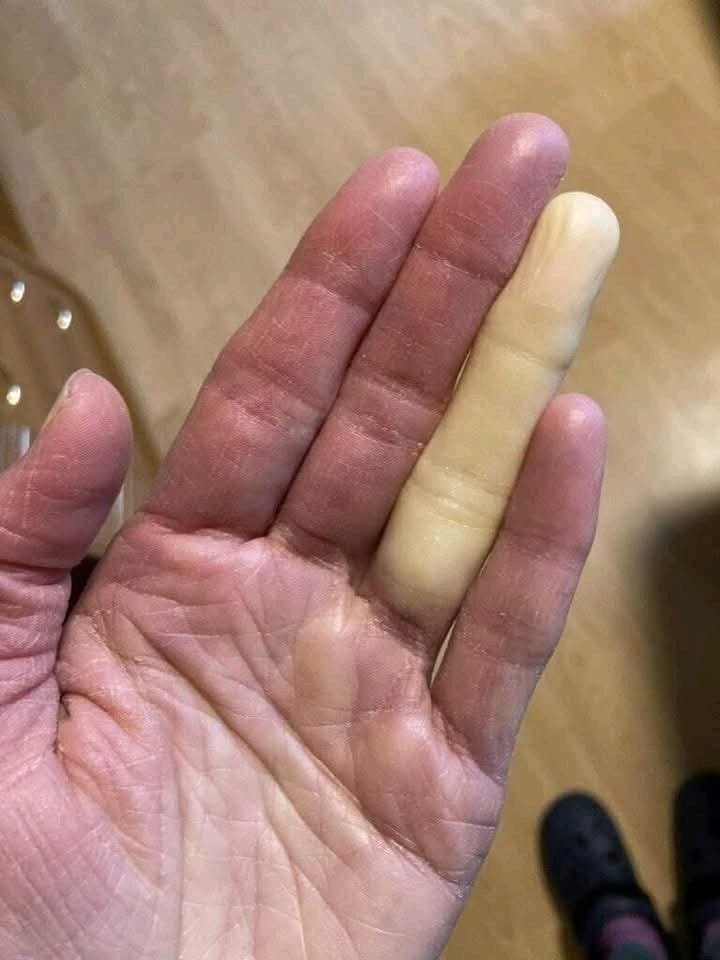
Frostbite occurs when skin and underlying tissues freeze.
-
Commonly affected areas: fingers, toes, nose, ears, and cheeks
-
Symptoms include:
-
Numbness or tingling
-
Skin turning white or bluish
-
Hard or waxy texture
-
Tip: Always cover extremities in extreme cold, even during sleep.
3. Poor Sleep Quality
-
Extremely cold environments can disrupt your natural sleep cycle.
-
The body uses energy to maintain warmth, reducing time spent in restorative deep sleep.
-
Consequences: fatigue, irritability, and poor cognitive performance the next day.
4. Weakened Immune System
-
Cold exposure can temporarily suppress immune function, making you more vulnerable to infections like colds or flu.
-
Sleep disruption compounds this effect.
5. Muscle Stiffness and Joint Pain
-
Sleeping in very cold temperatures can tighten muscles and joints, leading to stiffness and discomfort.
-
People with arthritis or joint conditions may notice increased pain after cold nights.
6. Cardiovascular Stress
-
Cold causes blood vessels to constrict, increasing blood pressure.
-
People with pre-existing heart conditions may experience higher risk of heart attack or arrhythmias in extreme cold.
7. Breathing Difficulties
-
Breathing very cold air during sleep can irritate airways, causing coughing or difficulty for people with asthma or respiratory issues.
How to Stay Safe While Sleeping in Cold Temperatures
-
Use proper insulation
-
Thermal blankets, sleeping bags rated for subzero temperatures, and insulated bedding
-
-
Layer clothing
-
Wear warm, moisture-wicking layers to retain heat
-
-
Keep extremities covered
-
Gloves, thick socks, and hats reduce heat loss from fingers, toes, and head
-
-
Avoid alcohol before sleep
-
Alcohol may make you feel warm initially but actually lowers core temperature
-
-
Sleep in a well-ventilated but insulated space
-
Avoid drafts but allow fresh air to prevent condensation and frost inside the room
-
-
Pre-warm your bedding
-
Use hot water bottles or heated blankets safely to improve comfort
-
Conclusion
Sleeping in extremely cold temperatures can have serious consequences, including hypothermia, frostbite, poor sleep, weakened immunity, and increased cardiovascular stress.
Prevention is key: insulation, warm clothing, and safe bedding practices can protect your body and ensure you get a restorative night’s sleep—even in freezing conditions.
Call to Action
If you live or travel in subzero climates, prioritize your health by preparing your sleeping environment properly. Share this guide to help friends and family stay safe during cold nights!