These Are the Consequences of Wearing Used Shoes (What You Should Know Before Reusing Footwear)
Wearing used shoes may seem harmless, cost-effective, or environmentally friendly. However, shoes carry more than just wear and tear. When footwear is previously worn by someone else, it can also bring hygiene, comfort, and health concerns that many people overlook.
In this article, we’ll explore the potential consequences of wearing used shoes, why they happen, and how to reduce risks if you choose to reuse footwear.
Why Wearing Used Shoes Can Be Risky
Shoes are in direct contact with:
-
Sweat
-
Skin cells
-
Bacteria and fungi
-
Pressure points unique to the original wearer
Over time, shoes mold to the shape of the original owner’s feet, which can create problems for a new wearer.
1. Increased Risk of Fungal Infections
One of the most common consequences of wearing used shoes is exposure to fungal infections.
Examples include:
-
Athlete’s foot
-
Toenail fungus
Why it happens:
Fungi thrive in dark, moist environments like shoes, and they can survive for long periods even after the shoes appear clean.
2. Bacterial Infections and Foot Odor
Used shoes may harbor bacteria that contribute to:
-
Skin irritation
-
Bad foot odor
-
Minor skin infections
Even disinfected shoes may still retain odor-causing bacteria deep in the material.
3. Poor Foot Support and Pain
Shoes adapt to the walking style and foot structure of their original owner.
Possible consequences:
-
Foot pain
-
Heel discomfort
-
Arch strain
-
Ankle or knee stress
This is especially problematic for people with flat feet, high arches, or plantar fasciitis.
4. Increased Risk of Corns, Calluses, and Blisters
Wearing shoes already shaped by someone else’s feet can cause uneven pressure points.
This may lead to:
-
Painful blisters
-
Corns and calluses
-
Skin breakdown
These issues are more likely if the shoes are tight or worn for long periods.
5. Worsening of Existing Foot Conditions
If you already have foot issues, used shoes may make them worse.
Conditions that can be aggravated include:
-
Bunions
-
Hammer toes
-
Plantar fasciitis
-
Heel spurs
Improper alignment can place stress on sensitive areas.
6. Hidden Structural Damage
Used shoes may look fine on the outside but have worn-out soles or weakened support.
This can increase the risk of:
-
Slips and falls
-
Poor posture
-
Joint strain
Supportive features like cushioning and shock absorption often degrade before visible signs appear.
7. Skin Irritation and Allergic Reactions
Residue from:
-
Sweat
-
Detergents
-
Skin products
may cause itching, redness, or allergic reactions in some individuals.
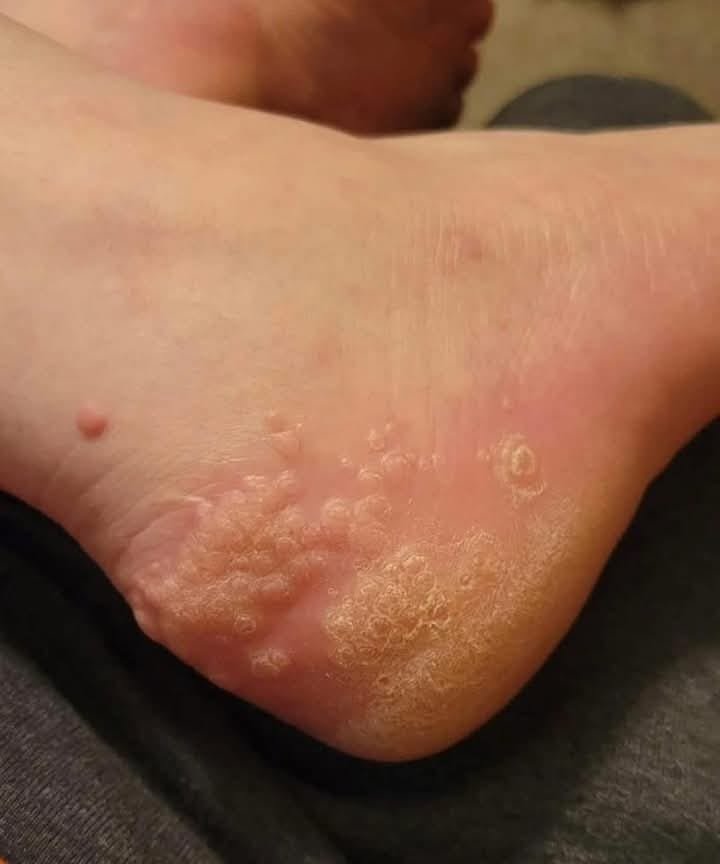
8. Spread of Warts and Other Skin Conditions
Certain viruses, such as those causing plantar warts, can survive on shoe surfaces.
Wearing used shoes — especially without socks — may increase exposure to these infections.
9. Reduced Comfort and Confidence
Discomfort caused by used shoes can affect:
-
Walking posture
-
Daily mobility
-
Confidence and mood
Foot discomfort often leads to reduced physical activity over time.
Are Used Shoes Always Unsafe?
Not necessarily. Some used shoes pose less risk than others.
Lower-risk examples:
-
Lightly worn formal shoes
-
Shoes worn only once or twice
-
Footwear that can be fully disinfected
Higher-risk examples:
-
Athletic shoes
-
Work boots
-
Shoes worn without socks
How to Reduce Risks If You Wear Used Shoes
✔ Clean and disinfect thoroughly
✔ Replace insoles with new ones
✔ Allow shoes to dry completely
✔ Wear moisture-wicking socks
✔ Avoid used shoes if you have foot conditions
When to Avoid Used Shoes Completely
You should avoid wearing used shoes if you:
-
Have diabetes or poor circulation
-
Have open cuts or skin conditions
-
Are prone to fungal infections
-
Need orthopedic support
Final Thoughts
While reusing shoes can save money and reduce waste, wearing used footwear comes with potential health and comfort risks. Being informed helps you make safer choices for your feet and overall well-being.
Your feet support your entire body — protecting them should always be a priority.
Frequently Asked Questions (FAQ)
Q: Can disinfecting used shoes make them safe?
Disinfecting can reduce risks but may not eliminate all bacteria or structural issues.
Q: Are thrift store shoes safe?
They can be safer if lightly worn and properly cleaned, but caution is still advised.
Q: Is wearing used shoes bad for children?
Yes, children’s feet are still developing, and used shoes may interfere with proper growth.