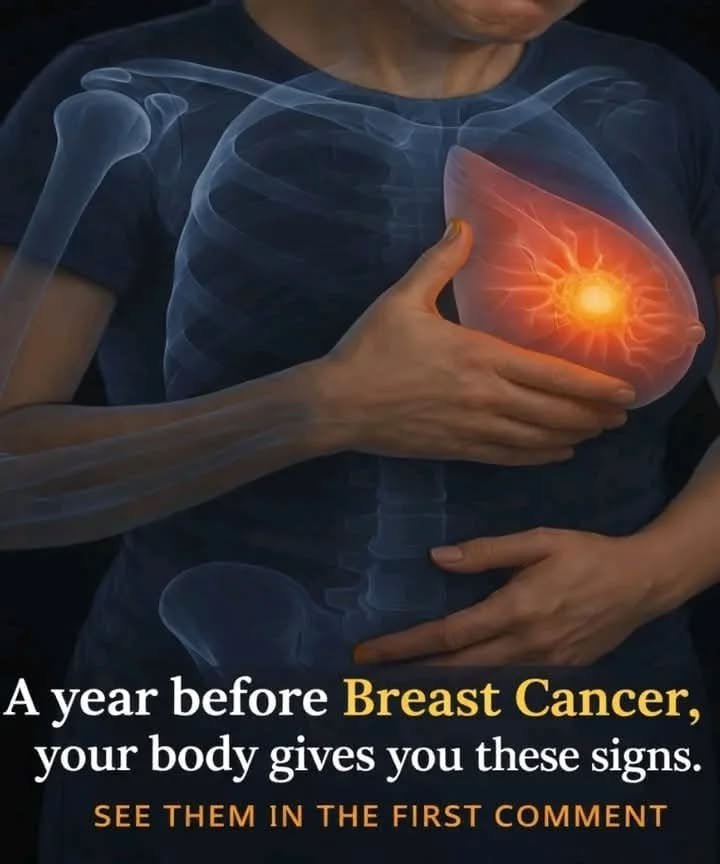
These Are the Symptoms You May Experience if You Have Breast Cancer
Breast cancer is one of the most common cancers affecting women worldwide, but early detection dramatically improves survival rates. Many people are unaware of the subtle warning signs that can appear before a lump is noticeable. Understanding these symptoms can empower you to take timely action and seek medical evaluation.
1. Lumps or Thickening in the Breast or Armpit
What to Watch For:
-
A new lump or mass in the breast or underarm
-
Areas that feel thicker or firmer than surrounding tissue
-
Lumps that persist and do not go away
Important Notes:
-
Not all lumps are cancerous, but persistent lumps should always be checked by a healthcare professional.
-
Self-exams and routine mammograms are key for early detection.
2. Changes in Breast Size, Shape, or Symmetry
What to Watch For:
-
One breast becoming noticeably larger or smaller
-
Change in the contour or shape of the breast
-
Sagging or unusual asymmetry
Why It Happens:
-
Tumors can alter breast tissue, causing subtle or noticeable changes over time.
3. Skin Changes on the Breast
Symptoms Include:
-
Redness or rash that doesn’t go away
-
Dimpling or puckering of the skin (sometimes called “orange peel” texture)
-
Thickened skin or a scaly area
Tip: Any persistent skin change should be evaluated, even without a palpable lump.
4. Nipple Changes
Symptoms Include:
-
Inversion of the nipple (if it turns inward suddenly)
-
Unusual discharge (especially blood-tinged or clear fluid)
-
Pain, itching, or crusting around the nipple
These signs can appear even if no lump is felt, making them important early indicators.
5. Pain or Tenderness in the Breast
What to Watch For:
-
Persistent localized pain not related to the menstrual cycle
-
Tenderness in one specific area that doesn’t improve
Note: Breast pain alone is often not a sign of cancer, but combined with other symptoms, it warrants medical attention.
6. Swelling in the Armpit or Collarbone Area
What to Watch For:
-
Swollen lymph nodes under the arm or near the collarbone
-
A feeling of heaviness in the arm
-
Lumps that accompany breast changes
Cancer can spread to lymph nodes, so swelling in these areas should never be ignored.
7. Unexplained Weight Loss or Fatigue
Symptoms Include:
-
Rapid, unintentional weight loss
-
Persistent fatigue or weakness
-
Feeling generally unwell without a clear reason
Why It Happens:
-
Advanced cancers can affect metabolism and energy levels. Early detection helps prevent progression to this stage.
8. Changes in Texture or Sensation
What to Watch For:
-
Numbness, tingling, or burning sensations in the breast
-
Thickened or hard areas in the breast tissue
-
Unusual warmth in a localized area
Subtle sensory changes can precede other visible symptoms.
Who Is at Risk?
Some factors increase the risk of developing breast cancer:
-
Female gender (though men can also develop breast cancer)
-
Age over 40
-
Family history of breast or ovarian cancer
-
Genetic mutations (BRCA1, BRCA2)
-
Hormonal factors, such as early menstruation or late menopause
Awareness of personal risk factors helps prioritize screening and early detection.
What You Should Do If You Notice Symptoms
-
Don’t panic: Most breast changes are benign, but timely evaluation is crucial.
-
Schedule a medical appointment: Your doctor may recommend a physical exam, mammogram, ultrasound, or biopsy.
-
Track changes: Note when symptoms appear, how long they last, and any additional signs.
-
Follow recommended screenings: Mammograms, clinical exams, and self-checks save lives.
Frequently Asked Questions (FAQs)
1. Is a lump the only sign of breast cancer?
No, many early signs involve skin, nipple, or subtle changes in breast shape or texture.
2. Can breast cancer be painless?
Yes. Some tumors don’t cause pain until advanced stages.
3. How often should I perform self-exams?
Once a month, ideally a few days after your period ends. Postmenopausal women can choose a consistent monthly date.
4. Can men get breast cancer?
Yes, though it’s rare. Men should monitor for lumps, nipple changes, or discharge.
5. Does family history guarantee breast cancer?
No, but it increases risk. Genetic counseling may help high-risk individuals.
6. Are all nipple discharges concerning?
Most are benign, but blood-tinged or persistent discharge should be evaluated.
Conclusion: Awareness Saves Lives
Breast cancer may start silently, but subtle symptoms often appear before advanced stages. Regular self-exams, medical checkups, and attention to changes in your body are essential tools for early detection.
Listen to your body, note any unusual changes, and seek professional guidance promptly. Early awareness can make all the difference.