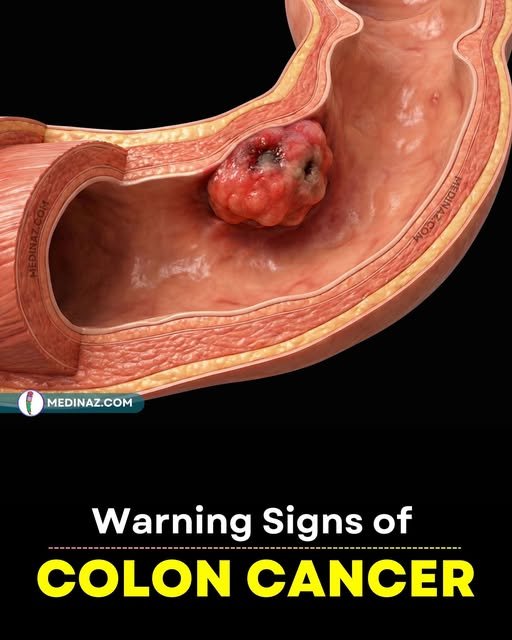
Warning Signs of Colon Cancer (Colorectal Cancer)
Colon cancer is often silent in early stages. Learn the key warning signs, symptoms, and what to do if you notice changes in your digestive health.
Introduction: Why Awareness Matters
Colon cancer, also known as colorectal cancer, is one of the most common cancers worldwide. Early detection is crucial because symptoms can be subtle in the beginning, and treatment is most effective at early stages.
Understanding the warning signs can help you seek medical attention promptly and improve outcomes.
1. Changes in Bowel Habits
-
Persistent diarrhea, constipation, or narrowing of stools can indicate a problem.
-
You may feel the urge to go even after emptying your bowels.
-
Changes lasting more than a few weeks should be evaluated by a doctor.
2. Blood in Stool
-
Bright red or dark blood in the stool can be a warning sign.
-
Even small amounts of blood should not be ignored.
-
Sometimes bleeding is invisible and detected only with stool tests.
3. Unexplained Weight Loss
-
Losing weight without diet or exercise changes may be linked to colon cancer.
-
Tumors can affect digestion and nutrient absorption, leading to rapid weight loss.
4. Persistent Abdominal Discomfort
-
Symptoms may include cramps, gas, bloating, or pain in the lower abdomen.
-
Discomfort that doesn’t resolve with diet or over-the-counter remedies should be checked.
5. Fatigue and Weakness
-
Constant tiredness can result from anemia caused by slow internal bleeding.
-
Fatigue may also be caused by the body fighting abnormal cell growth.
6. Feeling That the Bowel Doesn’t Empty Completely
-
You may feel the urge to go, but bowel movements are incomplete.
-
This sensation, combined with other symptoms, can indicate a blockage caused by a tumor.
7. Nausea or Vomiting
-
Tumors can obstruct the digestive tract, causing nausea, vomiting, or loss of appetite.
-
Persistent digestive issues should never be ignored, especially in adults over 50.
8. Anemia or Pale Skin
-
Slow internal bleeding can lead to iron-deficiency anemia.
-
Symptoms include pale skin, shortness of breath, and fatigue.
Risk Factors to Keep in Mind
-
Age over 50
-
Family history of colorectal cancer
-
Inflammatory bowel diseases (IBD, Crohn’s disease)
-
Diet low in fiber and high in processed foods
-
Sedentary lifestyle, smoking, or excessive alcohol
What You Should Do
-
Schedule regular screenings like colonoscopy, especially if over 50 or at higher risk.
-
Track symptoms and report persistent changes to a healthcare professional.
-
Adopt a healthy lifestyle: high fiber diet, regular exercise, limited alcohol, and no smoking.
Frequently Asked Questions (FAQs)
Q1: Can colon cancer be cured if detected early?
Yes, early-stage colon cancer has a high cure rate, often treatable with surgery and minimal additional therapy.
Q2: Are these symptoms always cancer?
Not always. Digestive issues can be caused by infections, hemorrhoids, or IBS. But persistent or unusual symptoms must be checked.
Q3: How often should I get screened?
Adults over 50 should have a colonoscopy every 10 years, or sooner if high-risk.
Q4: Can diet prevent colon cancer?
A fiber-rich diet, plenty of fruits and vegetables, and limiting red and processed meats can significantly reduce risk.
Final Thoughts: Don’t Ignore the Signs
Colon cancer can be silent in early stages, but persistent bowel changes, blood in stool, abdominal discomfort, and unexplained fatigue are warning signs.
Early detection through awareness, screening, and lifestyle choices dramatically increases survival rates.
Call to Action
-
✅ Monitor your digestive health and note persistent changes
-
✅ Schedule regular screenings, especially if over 50 or at higher risk
-
✅ Share this knowledge to raise awareness and potentially save lives
Remember, your body often gives subtle clues—listening to them early can make all the difference.