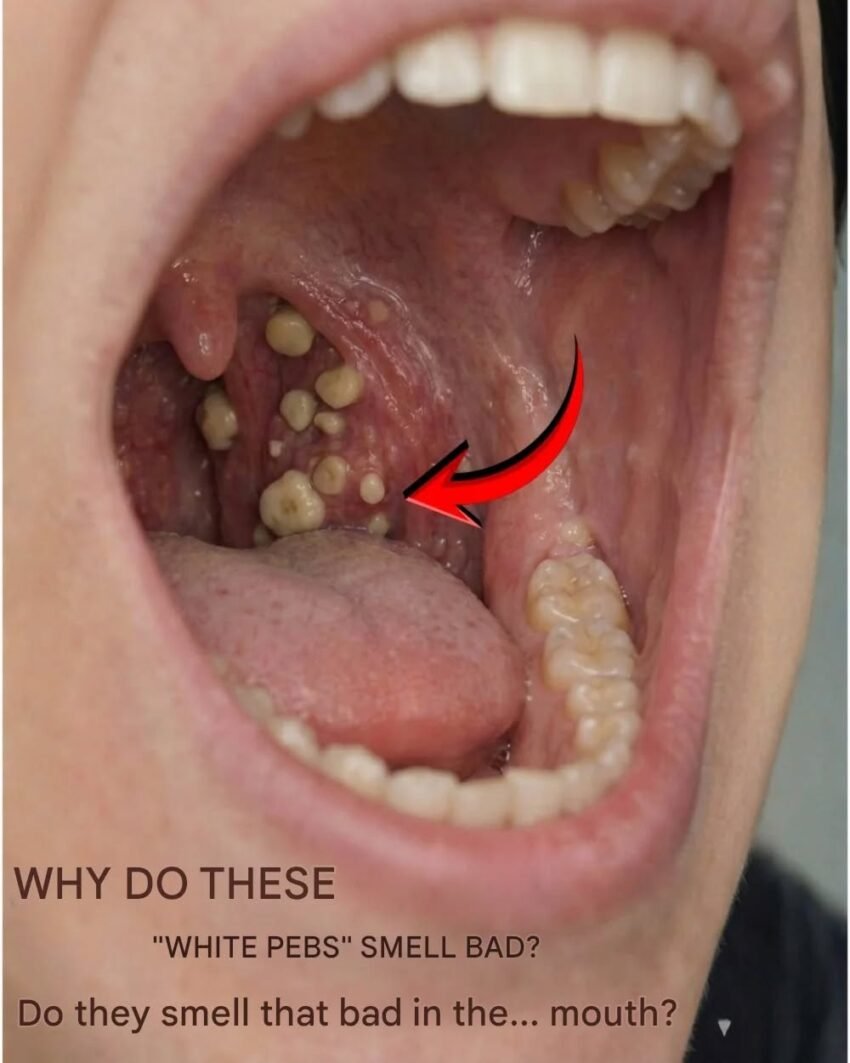
What Are Those Smelly White “Stones” in the Mouth That Cause Terrible Bad Breath?
Have you ever noticed small, white or yellowish lumps forming at the back of your throat or on your tonsils—especially when you wake up in the morning—and wondered what they are? These often foul-smelling deposits are commonly called tonsil stones, or tonsilloliths, and they can be a hidden cause of bad breath.
Understanding what they are, why they form, and how to prevent them can help you keep your mouth healthy and odor-free.
What Are Tonsil Stones?
Tonsil stones are hardened deposits of debris that form in the crevices (crypts) of your tonsils. They consist of:
-
Dead cells
-
Mucus
-
Food particles
-
Bacteria
Over time, this mixture calcifies into small, whitish or yellow lumps that can vary in size from tiny grains to larger, noticeable stones.
Why Tonsil Stones Cause Bad Breath
The primary reason tonsil stones smell is due to the bacterial activity:
-
Bacteria feed on the trapped debris, releasing sulfur compounds.
-
These compounds are responsible for the foul odor commonly associated with tonsil stones.
-
Even small stones can cause persistent halitosis if not addressed.
Common Symptoms of Tonsil Stones
While some people may not notice them, others experience:
-
Bad breath – Persistent, often strong-smelling odor
-
White or yellow lumps – Visible on the tonsils or back of the throat
-
Sore throat or discomfort – Especially when swallowing
-
Ear pain – Referred pain from tonsil pressure
-
Difficulty swallowing – In rare cases, if the stones are large
-
Feeling of something stuck – A small, irritating lump in the throat
Causes and Risk Factors
Several factors make some people more prone to tonsil stones:
-
Chronic tonsillitis or inflamed tonsils – Deep crypts can trap more debris
-
Poor oral hygiene – Bacteria and food particles accumulate
-
Post-nasal drip – Mucus from sinus infections can contribute
-
Large tonsils – Provide more pockets for debris to collect
-
Frequent bacterial buildup – Smoking or diet high in dairy can increase risk
How to Remove or Treat Tonsil Stones
Most small tonsil stones can be managed at home:
-
Gargling with salt water – Helps dislodge debris and reduce bacteria
-
Gentle removal – Using a cotton swab or soft toothbrush, carefully remove visible stones
-
Oral hygiene – Brush, floss, and use mouthwash regularly to reduce bacterial buildup
-
Stay hydrated – Prevents mucus buildup that can contribute to stones
⚠️ Avoid aggressive poking, which can injure your tonsils and cause infection.
For persistent or large stones, or if you experience frequent discomfort, consult an ENT specialist. In some cases, medical procedures or even tonsil removal may be recommended.
Preventing Tonsil Stones
-
Practice good oral hygiene – Brush teeth twice daily, floss, and rinse with antiseptic mouthwash
-
Stay hydrated – Keeps saliva flowing and prevents bacterial buildup
-
Gargle after meals – Helps remove trapped food particles
-
Treat sinus infections promptly – Reduces mucus accumulation
-
Consider dietary changes – Limiting dairy may reduce stone formation for some people
Final Thoughts
Tonsil stones are common, usually harmless, but can be a source of embarrassment due to bad breath. Regular oral hygiene, hydration, and attention to your tonsils can significantly reduce their occurrence. If stones are persistent or causing pain, medical consultation is advised.
With the right care, you can enjoy fresh breath and a healthy throat without worrying about these smelly “stones.”
Frequently Asked Questions (FAQs)
Are tonsil stones dangerous?
Rarely. They are usually harmless but can cause discomfort or infection if neglected.
Can tonsil stones go away on their own?
Yes, small stones may dislodge naturally during swallowing or with gargling.
Do I need surgery to remove them?
Only in severe or chronic cases. Most tonsil stones can be managed with home care or minor medical procedures.