What the Shrimp’s “Vein” Really Is
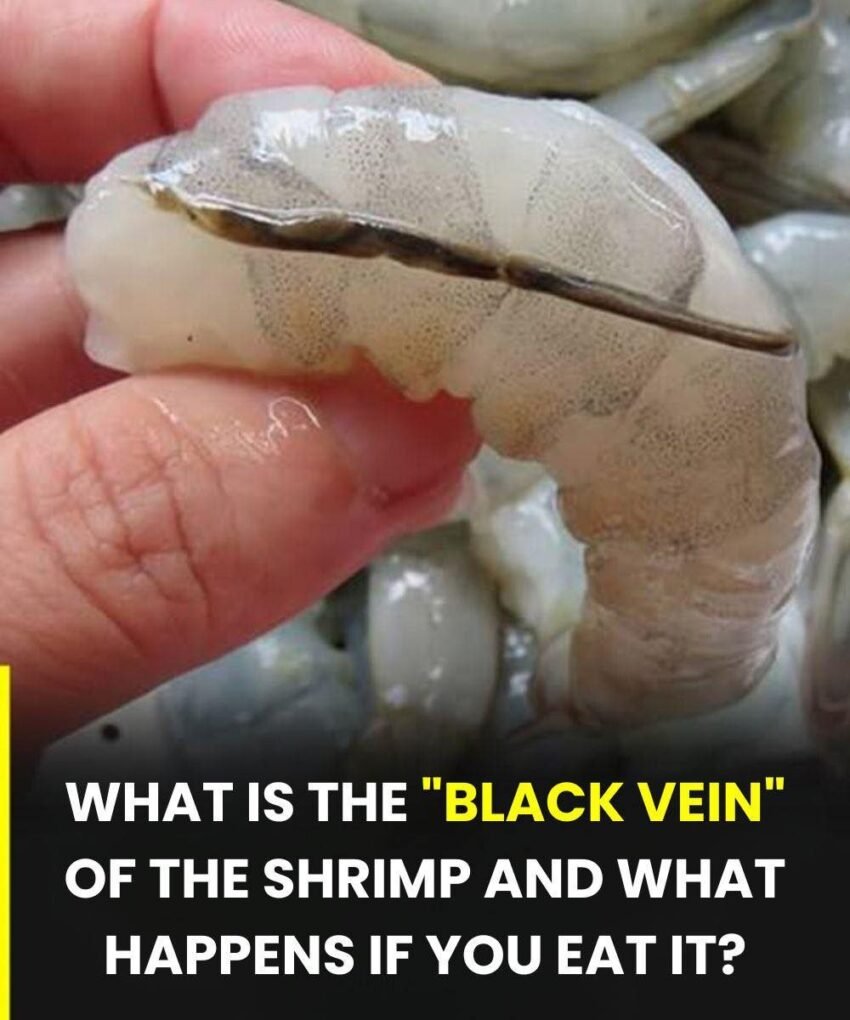
- The “vein” you see running along the back of a shrimp is not a vein like in humans.
- It is actually the shrimp’s digestive tract, specifically its intestinal tract.
- It often contains digestive waste or sand, which is why it looks dark or black in color.
Why It’s Called a Vein
-
The term “vein” comes from its appearance: a thin, dark line along the shrimp’s back.
-
People started calling it a vein because it resembles a small blood vessel, but it is entirely digestive in function.
Do You Need to Remove It?
-
Yes, most cooks remove it for aesthetic and taste reasons.
-
It can be gritty or bitter if left in.
-
Removal is called deveining.
How to Remove the “Vein”
-
Use a small knife or shrimp deveiner to cut along the back of the shrimp.
-
Lift out the dark line with the tip of your knife or a toothpick.
-
Rinse the shrimp under cold water.
💡 Tip: Some small shrimp may have veins that are practically invisible or very thin—you can leave these if desired.
Quick Summary
| Term Used | What It Really Is | Do You Need to Remove? |
|---|---|---|
| Shrimp “vein” | Intestinal tract | Recommended for taste and appearance |
| Location | Runs along the back | From head to tail |
| Content | Digestive waste or sand | Yes, especially for larger shrimp |
So next time you see a shrimp “vein,” you can confidently tell friends: “It’s just the shrimp’s intestine, not a blood vein!”