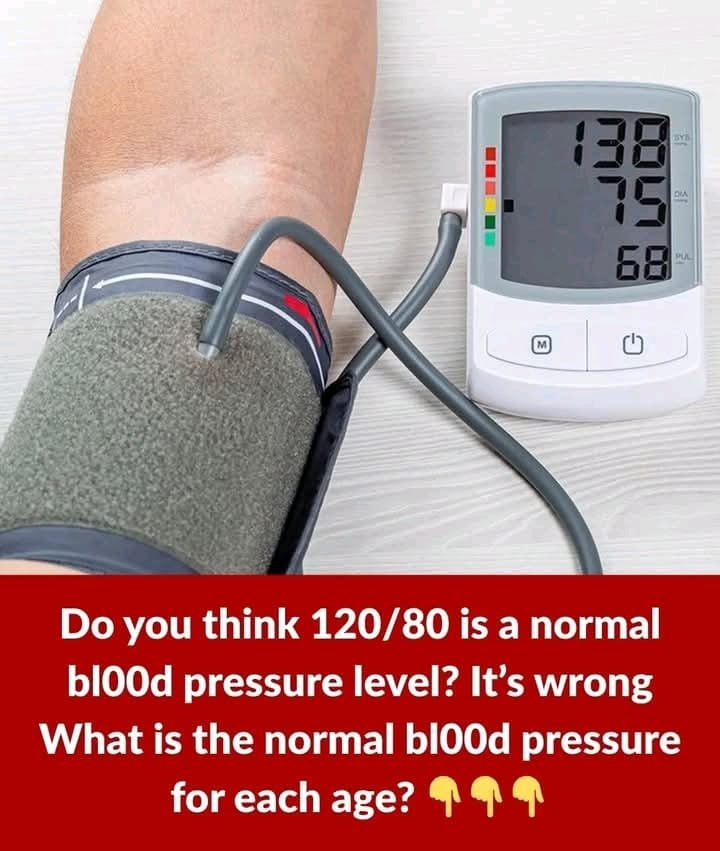
What Is the Normal Blood Pressure for Each Age
Understanding how blood pressure changes as you age—what’s healthy and what to watch for
Blood pressure is a key indicator of heart and circulatory health. It’s measured as two numbers:
-
Systolic (top number): Pressure when the heart beats
-
Diastolic (bottom number): Pressure when the heart rests between beats
Normal ranges vary slightly with age, lifestyle, and health conditions. Knowing what’s typical for your age can help you catch high or low blood pressure early.
General Blood Pressure Categories (All Ages)
| Category | Systolic (mmHg) | Diastolic (mmHg) |
|---|---|---|
| Normal | <120 | <80 |
| Elevated | 120–129 | <80 |
| Hypertension Stage 1 | 130–139 | 80–89 |
| Hypertension Stage 2 | ≥140 | ≥90 |
| Hypertensive Crisis | >180 | >120 (emergency) |
These ranges are based on guidelines from the American Heart Association (AHA).
Normal Blood Pressure by Age
While the “ideal” for all adults is under 120/80 mmHg, small variations occur naturally with age.
| Age | Normal Range (mmHg) | Notes |
|---|---|---|
| Children (1–12 years) | 90–110 / 50–80 | Varies by height and weight; pediatrician guidance important |
| Teens (13–19 years) | 110–120 / 65–75 | Blood pressure rises gradually during adolescence |
| Adults 20–29 | 110–120 / 70–80 | Healthy lifestyle is key for maintaining optimal BP |
| Adults 30–39 | 115–125 / 75–80 | Slight increase may occur with sedentary lifestyle |
| Adults 40–49 | 120–130 / 75–85 | Risk of hypertension rises with age and family history |
| Adults 50–59 | 125–135 / 80–85 | Regular monitoring strongly recommended |
| Adults 60–69 | 130–140 / 80–85 | Some doctors accept slightly higher systolic if otherwise healthy |
| 70+ years | 130–145 / 80–85 | Focus is on balance: very low BP can be risky, too |
Factors That Influence Blood Pressure
Even within normal ranges, your BP can fluctuate based on:
-
Diet: High sodium can raise BP; potassium-rich foods can help lower it
-
Weight: Obesity increases risk of high BP
-
Physical activity: Sedentary lifestyles raise BP; regular exercise helps
-
Stress: Chronic stress temporarily elevates BP
-
Sleep: Poor sleep quality affects BP regulation
-
Medication & Health conditions: Diabetes, kidney disease, thyroid disorders
Tips for Maintaining Healthy Blood Pressure
-
Monitor regularly: Home BP monitors give early warning of changes
-
Exercise consistently: 30 min of moderate activity most days
-
Eat a heart-healthy diet: DASH diet (fruits, vegetables, whole grains) recommended
-
Limit sodium & processed foods
-
Maintain a healthy weight
-
Manage stress: Meditation, hobbies, or therapy can help
-
Avoid smoking & excessive alcohol
When to See a Doctor
Seek medical attention if you notice:
-
Consistently high readings (≥130/80 mmHg)
-
Symptoms like headaches, dizziness, blurred vision, chest pain, or shortness of breath
-
Sudden changes in blood pressure
Early detection can prevent heart attack, stroke, kidney problems, and other complications.
Final Thought
Blood pressure naturally increases slightly with age, but keeping it within healthy ranges is crucial for long-term health. Regular monitoring, a balanced lifestyle, and early intervention are your best defenses.
💬 Tip: Even if your BP is “normal for your age,” a healthy lifestyle can help you stay below the thresholds associated with cardiovascular risk, keeping your heart and vessels strong for decades.