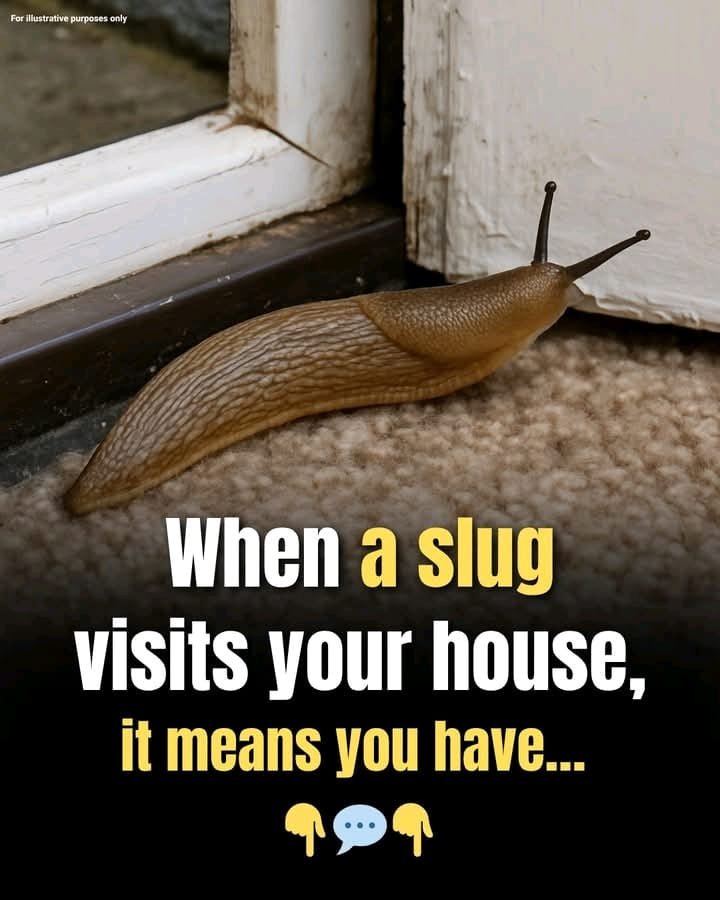
Why Slugs Deserve More Credit Than You Think
Slugs don’t exactly have the best reputation.
They’re slimy, slow, and often blamed for chewed-up garden leaves. For many people, they’re creatures to avoid rather than admire.
But if you look a little closer—beyond the slime trail—you’ll discover that slugs are surprisingly important, resilient, and even impressive animals.
In fact, slugs quietly play roles in ecosystems that many of us benefit from every day.
Let’s give these misunderstood creatures the credit they deserve.
Slugs Are Not “Just Snails Without Shells”
One of the biggest misconceptions is that slugs are simply incomplete snails.
In reality:
-
Slugs and snails share a common ancestor
-
Slugs evolved without external shells as an adaptation
-
Some slugs even have internal shell remnants hidden under their skin
Losing the shell allowed slugs to:
-
Squeeze into narrow spaces
-
Live underground or under debris
-
Conserve energy otherwise used to grow and carry a shell
This isn’t a weakness—it’s an evolutionary strategy.
They’re Essential Decomposers
Slugs play a crucial role in breaking down organic matter.
They feed on:
-
Decaying leaves
-
Dead plants
-
Fungi
-
Fallen fruit
By doing this, slugs:
-
Recycle nutrients back into the soil
-
Improve soil structure
-
Support healthier plant growth
Without decomposers like slugs, ecosystems would quickly become clogged with waste.
Slugs Help Create Healthy Soil
As slugs move and feed, they:
-
Mix organic matter into the soil
-
Encourage microbial activity
-
Help spread beneficial fungi
Their waste (yes, slug poop) is rich in nutrients and contributes to fertile soil—similar to earthworms, though less celebrated.
Gardeners may not love slugs on lettuce, but soil ecosystems quietly rely on them.
Their Slime Is a Biological Marvel
Slug slime is far more advanced than it looks.
It can:
-
Act as both a lubricant and an adhesive
-
Change properties depending on pressure
-
Help slugs climb vertical surfaces
-
Protect their bodies from injury and dehydration
Scientists study slug mucus for:
-
Medical adhesives
-
Wound-healing research
-
Anti-bacterial properties
That “gross” slime could one day help humans heal better.
Slugs Are Tough Survivors
Despite being soft-bodied, slugs are incredibly resilient.
They can:
-
Survive long periods without food
-
Regenerate damaged tissue
-
Adapt to a wide range of environments
-
Navigate using chemical and tactile senses
Some species even survive freezing temperatures by producing natural antifreeze compounds in their bodies.
Not bad for an animal with no bones and no shell.
They’re Part of the Food Web
Slugs are an important food source for many animals, including:
-
Birds
-
Frogs and toads
-
Hedgehogs
-
Beetles
-
Snakes
Removing slugs from an ecosystem doesn’t just affect plants—it disrupts entire food chains.
Nature rarely includes “useless” creatures.
Slugs Are Surprisingly Sensitive
Slugs may seem simple, but they are responsive to their environment.
They can:
-
Detect light and dark
-
Sense chemicals in the air
-
Navigate using smell and touch
-
Avoid harmful substances
They’re not mindless pests—they’re organisms constantly responding to their surroundings.
Why They End Up in Our Gardens
Slugs are attracted to gardens because gardens provide:
-
Moist environments
-
Abundant food
-
Shelter from predators
In other words, a garden is an artificial slug paradise.
Their presence often signals:
-
Healthy soil
-
High organic matter
-
A functioning ecosystem
Ironically, the better your garden conditions, the more likely slugs will show up.
Managing Slugs Without Demonizing Them
It’s possible to protect plants without declaring war on slugs.
Balanced approaches include:
-
Encouraging natural predators
-
Using physical barriers
-
Choosing slug-resistant plants
-
Improving drainage
Total eradication often backfires by destabilizing ecosystems.
A Shift in Perspective
Slugs aren’t villains—they’re just doing what evolution designed them to do.
They:
-
Clean up waste
-
Feed other animals
-
Support soil health
-
Inspire scientific research
They may not be cute or fast or flashy, but they’re quietly effective.
Final Thoughts
Slugs deserve more credit than they get—not because they’re charming, but because they’re useful, resilient, and essential.
The next time you spot one sliding across a path or leaf, you don’t have to like it.
But you might pause and think:
“This strange little creature is doing more work for the planet than I realized.”
Sometimes, the most overlooked organisms are the ones holding ecosystems together. 🐌✨