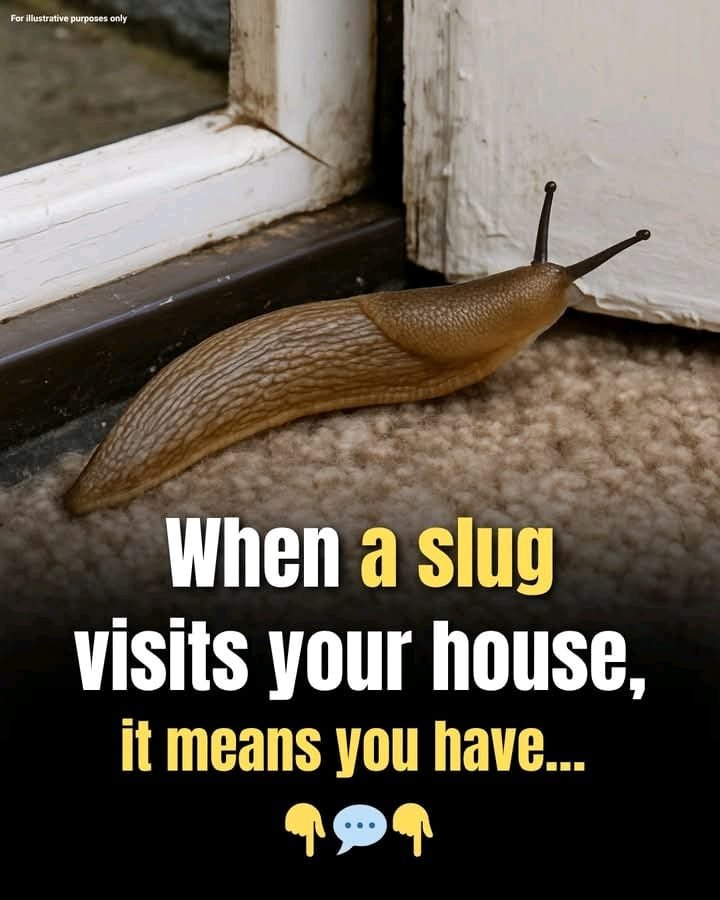
Why Slugs Deserve More Credit Than You Think
Discover the surprising benefits of slugs in ecosystems, gardening, and scientific research. Learn why these creatures deserve more recognition.
Introduction: The Misunderstood Garden Guest
Slugs—slimy, slow, and often unwelcome—are usually seen as pests in gardens. Yet, beneath their unassuming appearance lies a critical role in ecosystems. These creatures are more than just a nuisance; they contribute to soil health, nutrient cycling, and even scientific discoveries.
In this article, you’ll learn:
-
The ecological benefits of slugs
-
How they contribute to gardening and soil health
-
Fascinating facts that change how we view them
-
Ways to coexist with slugs without harming your plants
It’s time to see slugs not as pests, but as unsung heroes of the natural world.
Section 1: Slugs and the Ecosystem
Slugs play a crucial role in maintaining healthy ecosystems:
1. Decomposers
-
Slugs consume decaying plant matter, breaking it down into nutrients
-
They accelerate the nutrient cycle, enriching soil for new plant growth
2. Soil Aeration
-
As slugs move, they loosen the soil, improving water infiltration and root growth
3. Food Source
-
Slugs are a key food source for birds, amphibians, small mammals, and even other insects
-
By supporting predator populations, they maintain ecological balance
Without slugs, many species in the food chain would be negatively affected.
Section 2: Slugs in Gardening
Although often unwelcome, slugs can indirectly help gardens:
-
Nutrient recycling: Their droppings act as a natural fertilizer
-
Indicator species: Slug presence can indicate healthy soil with organic matter
-
Companion species: In small numbers, slugs encourage biodiversity by attracting birds and frogs
Tip for gardeners: Focus on controlled coexistence rather than eradication. Methods include handpicking, copper barriers, or encouraging slug predators.
Section 3: Slugs in Science
Slugs have contributed to scientific breakthroughs:
-
Neuroscience research: Certain species have large nerve cells, ideal for studying memory and learning
-
Regeneration studies: Some slugs can regrow parts of their bodies, offering insights into tissue regeneration
-
Environmental monitoring: Slug populations can indicate pollution or ecosystem health
Slugs aren’t just garden creatures—they’re living laboratories helping us understand biology.
Section 4: Fascinating Slug Facts
-
Slugs can survive without water for days by retreating into cool, damp environments
-
They produce slime that helps them move, protects their bodies, and even has antibacterial properties
-
Some species are hermaphrodites, capable of mating with any mature slug
-
Slugs navigate using tentacle sensors to detect light, moisture, and chemicals
-
Certain slugs contribute to carbon sequestration by breaking down decaying matter
These facts show that slugs are adaptable, resilient, and ecologically important.
Section 5: Coexisting With Slugs
You don’t need to eliminate all slugs to protect your garden. Try these strategies:
-
Encourage natural predators: Birds, frogs, and hedgehogs love slugs
-
Create slug-friendly areas away from crops: Provide compost or mulch zones
-
Use barriers: Copper tape or crushed eggshells around plants
-
Nighttime handpicking: Slugs are nocturnal; remove them at night if necessary
With minimal effort, you can balance slug benefits with plant protection.
Section 6: Changing Our Perspective
Slugs often get a bad reputation because of their slimy appearance and occasional damage to plants. But they are:
-
Nature’s recyclers
-
Indicators of healthy soil
-
Crucial links in the food chain
-
Subjects of groundbreaking scientific research
Recognizing their importance allows us to appreciate biodiversity and the role of every creature.
Conclusion: Giving Credit Where It’s Due
Slugs may be slow and slimy, but they are essential, fascinating, and beneficial. From enriching soil to aiding scientific research, these creatures deserve more credit than we typically give them.
Next time you see a slug in your garden, remember it’s more than a nuisance—it’s a vital part of the ecosystem.
Call to Action
-
Take a closer look at slugs in your backyard and notice their role in your garden ecosystem
-
Share these surprising facts with friends to redefine the way we see “pests”
-
Support biodiversity by encouraging natural predators and sustainable gardening