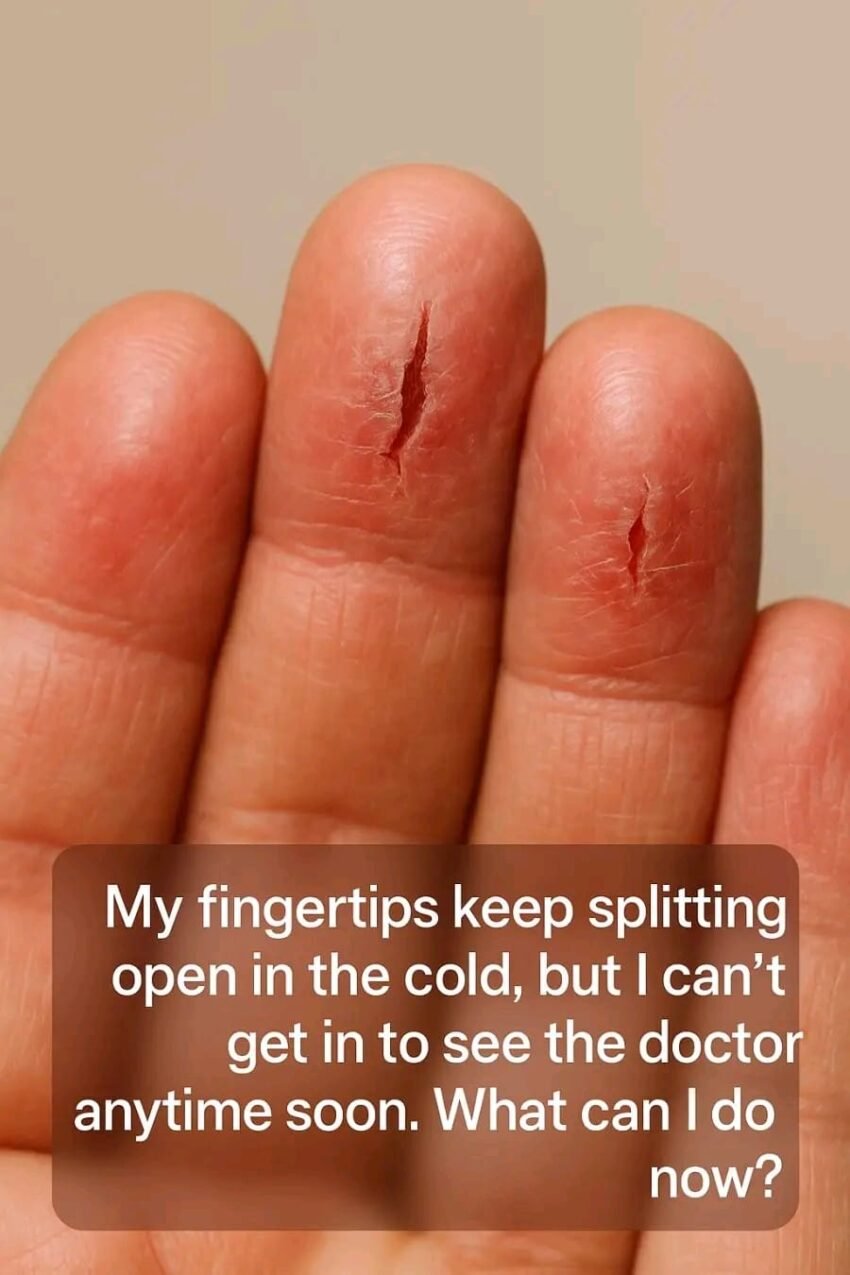
Why Your Fingertips Keep Splitting in the Cold and What You Can Do About It
Cold weather, dry air, and frequent hand washing can leave your fingertips cracked, split, or painful. While it’s common, it can be incredibly uncomfortable and sometimes even lead to infection if not managed properly.
If you can’t get to a doctor right away, don’t worry — there are several safe ways to care for your hands at home, prevent further damage, and speed healing.
Why Fingertips Split in Cold Weather
Cracked fingertips occur when the skin loses moisture and elasticity. Cold air, low humidity, and repeated exposure to water or harsh chemicals make your skin dry and fragile.
Common causes include:
-
Cold, dry air – Winter air and indoor heating sap moisture from the skin.
-
Frequent hand washing or sanitizing – Soap and alcohol-based hand sanitizers can strip natural oils.
-
Eczema or dermatitis – Chronic skin conditions make the skin more prone to cracking.
-
Vitamin or mineral deficiencies – Lack of vitamin A, C, E, or zinc can weaken skin health.
-
Underlying medical conditions – Diabetes, thyroid issues, or circulatory problems can make skin more fragile.
Signs You Need to Take Extra Care
-
Deep splits or painful cracks
-
Bleeding or oozing
-
Redness, swelling, or warmth around the cracks
-
Persistent dryness that doesn’t improve with regular lotion
⚠️ If you notice signs of infection (pus, spreading redness, fever), seek medical attention as soon as possible.
Immediate Home Care for Cracked Fingertips
While you wait to see a doctor, you can manage symptoms safely at home:
1. Moisturize Frequently
-
Use thick creams, ointments, or petroleum jelly multiple times a day.
-
Apply before bed and wear cotton gloves overnight to lock in moisture.
2. Protect Your Hands
-
Wear gloves outdoors to shield your skin from cold and wind.
-
Use rubber gloves with cotton lining when washing dishes or cleaning.
3. Avoid Irritants
-
Reduce exposure to harsh soaps, detergents, and alcohol-based sanitizers.
-
Opt for gentle, fragrance-free cleansers.
4. Gentle Care
-
Don’t peel or pick at the splits — this can worsen cracks and increase infection risk.
-
Trim nails carefully; jagged nails can cause further splits.
5. Soak and Heal
-
Briefly soak hands in warm water with a mild cleanser.
-
Pat dry and apply a thick ointment immediately to seal in moisture.
Preventing Future Cracks
-
Moisturize regularly, not just when cracks appear.
-
Drink enough water to keep skin hydrated.
-
Consider a vitamin-rich diet or supplements if you suspect deficiencies.
-
Avoid prolonged exposure to cold or wet environments.
-
Use a humidifier indoors during dry winter months.
When to Seek Medical Help
See a doctor promptly if you notice:
🚨 Persistent or deep cracks that don’t heal
🚨 Signs of infection (pus, swelling, spreading redness)
🚨 Cracks accompanied by pain, numbness, or tingling
🚨 Recurring splits despite home care
A healthcare professional may recommend medicated creams, ointments, or other treatments.
Final Thoughts
Cracked fingertips in cold weather are uncomfortable but often manageable at home with proper care. Moisturizing, protecting your hands, and avoiding irritants can make a big difference.
If symptoms persist or worsen, don’t delay medical care — especially to prevent infection and long-term damage.
FAQ: Cracked Fingertips in Winter
Q: Can I use hand sanitizer if my fingertips are already cracked?
Try to minimize alcohol-based sanitizers and use moisturizing hand creams afterward.
Q: Are natural oils effective for healing?
Yes — coconut oil, shea butter, or olive oil can help lock in moisture.
Q: Can diet affect my skin’s health?
Absolutely. Adequate vitamins (A, C, E) and zinc support skin healing and elasticity.