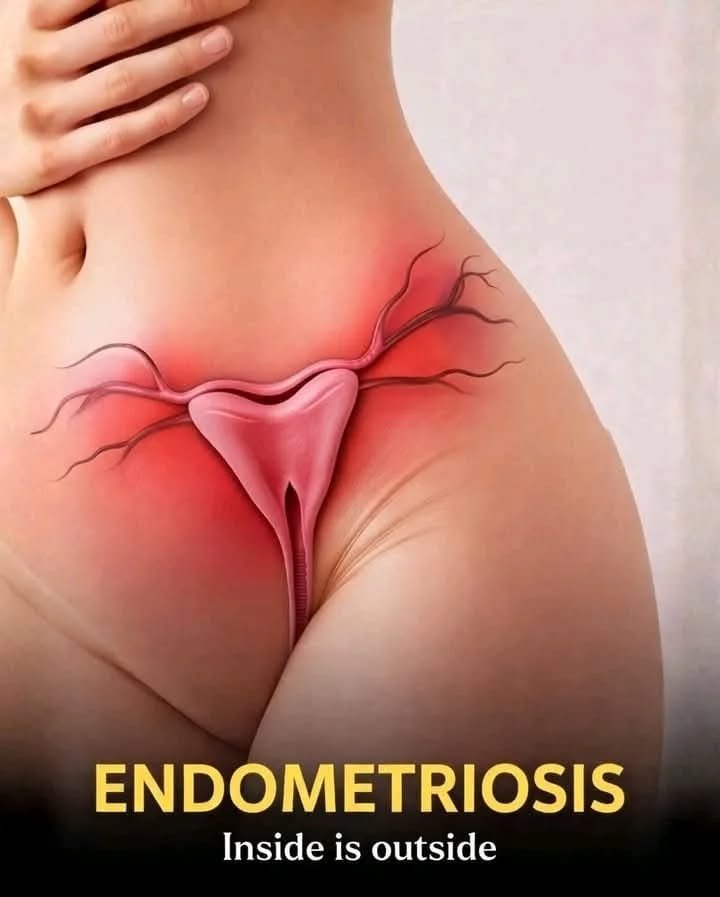
Women Should Know About Endometriosis: Symptoms, Causes, and Management
Endometriosis is a condition that affects millions of women worldwide, yet it is often underdiagnosed or misunderstood. Despite being common, many women struggle for years before receiving proper care. Understanding the symptoms, causes, and management strategies can make a huge difference in quality of life.
What Is Endometriosis?
Endometriosis occurs when tissue similar to the lining of the uterus (endometrium) grows outside the uterus, often on the ovaries, fallopian tubes, pelvic lining, or even the bladder and intestines.
Unlike the normal uterine lining, this tissue responds to hormonal changes during the menstrual cycle, causing inflammation, scarring, and pain.
Key Facts:
-
Affects roughly 1 in 10 women of reproductive age
-
Often diagnosed between ages 25–35, but symptoms can appear earlier
-
Can impact fertility, daily activities, and emotional well-being
Common Symptoms of Endometriosis
Symptoms vary in severity, and some women may have minimal pain but significant internal growths. Common signs include:
-
Severe Menstrual Cramps
-
Painful periods that worsen over time
-
May start before bleeding and last throughout the cycle
-
-
Chronic Pelvic Pain
-
Persistent discomfort in the lower abdomen or pelvis
-
Pain may radiate to the lower back or legs
-
-
Pain During Intercourse
-
Discomfort or deep pain during or after sex
-
Often related to inflammation around pelvic organs
-
-
Heavy or Irregular Menstrual Bleeding
-
Longer periods or spotting between cycles
-
-
Painful Bowel Movements or Urination
-
Especially during menstruation
-
Can indicate involvement of intestines or bladder
-
-
Fatigue and Low Energy
-
Chronic inflammation and pain can cause persistent tiredness
-
-
Infertility or Difficulty Conceiving
-
Endometrial growths can affect ovulation and fallopian tube function
-
Note: Symptoms often worsen over time, but severity doesn’t always match the extent of the growths.
What Causes Endometriosis?
The exact cause is not fully understood, but several factors may contribute:
-
Retrograde Menstruation
-
Menstrual blood flows backward through the fallopian tubes, allowing endometrial cells to implant outside the uterus
-
-
Genetic Predisposition
-
Family history increases risk
-
Women with a mother or sister with endometriosis are more likely to develop it
-
-
Immune System Dysfunction
-
A weakened immune response may fail to destroy endometrial tissue outside the uterus
-
-
Hormonal Factors
-
Estrogen stimulates growth of endometrial tissue
-
Women with higher estrogen exposure may be more susceptible
-
-
Environmental and Lifestyle Factors
-
Exposure to toxins, diet, and stress may influence development
-
Diagnosis
Endometriosis can be challenging to diagnose because symptoms mimic other conditions (like IBS or pelvic inflammatory disease).
Common diagnostic methods include:
-
Pelvic Exam: Can detect cysts or tenderness
-
Ultrasound or MRI: Helps identify larger growths
-
Laparoscopy: Gold standard; a minimally invasive surgery to visualize and remove lesions
-
Symptom Tracking: Keeping a detailed record of pain patterns and cycles
Early diagnosis is crucial to prevent scar tissue formation and fertility complications.
Management and Treatment Options
Treatment is individualized based on symptom severity, age, fertility goals, and overall health.
1. Pain Management
-
Over-the-counter NSAIDs (ibuprofen, naproxen)
-
Prescription pain medications for severe cases
2. Hormonal Therapy
-
Oral contraceptives to regulate cycles and reduce pain
-
Progestin therapy to shrink lesions
-
GnRH agonists to temporarily lower estrogen levels
3. Surgical Options
-
Laparoscopic removal of endometrial growths
-
Hysterectomy in severe cases when other treatments fail (usually a last resort)
4. Lifestyle Modifications
-
Diet: Anti-inflammatory foods (fruits, vegetables, omega-3s)
-
Exercise: Regular physical activity reduces pain and stress
-
Stress Management: Yoga, meditation, and mindfulness can help cope with chronic pain
5. Alternative Therapies
-
Acupuncture, herbal supplements, and heat therapy may provide symptom relief
-
Always consult a healthcare provider before trying supplements
Common Misconceptions
❌ Endometriosis only causes painful periods.
✔ It can cause bowel issues, fatigue, infertility, and chronic pelvic pain.
❌ Surgery is always required.
✔ Many women manage symptoms with hormonal therapy, lifestyle changes, or combination approaches.
❌ If pain is mild, it’s not serious.
✔ Mild symptoms can still indicate endometrial growths that may worsen over time.
Frequently Asked Questions
1. Can endometriosis affect fertility?
Yes, up to 30–40% of women with endometriosis may experience fertility issues.
2. Does endometriosis go away after menopause?
Often symptoms improve due to lower estrogen levels, but some women may continue to experience discomfort.
3. Can diet help manage symptoms?
Yes, an anti-inflammatory diet rich in fruits, vegetables, and omega-3 fatty acids may reduce pain.
4. Is endometriosis hereditary?
Family history increases risk but does not guarantee it.
5. Can exercise worsen endometriosis?
Moderate exercise usually improves symptoms, though high-intensity exercise may temporarily aggravate pain in some women.
Key Takeaways
-
Endometriosis is common but often underdiagnosed, affecting both physical and emotional health.
-
Persistent pelvic pain, heavy periods, and fertility issues should never be ignored.
-
Early diagnosis and individualized management can significantly improve quality of life.
-
Lifestyle changes, medication, and surgery are all viable options depending on the situation.
Call to Action
-
Track your symptoms and menstrual cycles carefully
-
Discuss any persistent pelvic pain with a gynecologist
-
Share awareness with other women—early detection matters
Your body is speaking—listen, act, and advocate for your health.