Women Should Know About Endometriosis: Symptoms, Causes, and Management
Endometriosis affects millions of women worldwide. Learn its symptoms, causes, diagnosis, and management options in this complete, evidence-based guide.
Introduction: Why Endometriosis Deserves More Attention
For many women, pain during periods is often dismissed as “normal.” But when that pain becomes severe, persistent, or life-disrupting, it may be a sign of something more serious. Endometriosis is one of the most misunderstood and underdiagnosed conditions affecting women today.
Despite impacting millions globally, endometriosis often goes unrecognized for years. Many women suffer in silence, misdiagnosed or told their symptoms are simply part of being a woman. This delay not only affects physical health but also mental well-being, relationships, careers, and fertility.
This in-depth guide is designed to empower women with accurate, practical, and trustworthy information. Whether you’re experiencing symptoms, supporting someone who is, or simply seeking knowledge, this article covers everything you should know—from early warning signs to long-term management strategies.
What Is Endometriosis?
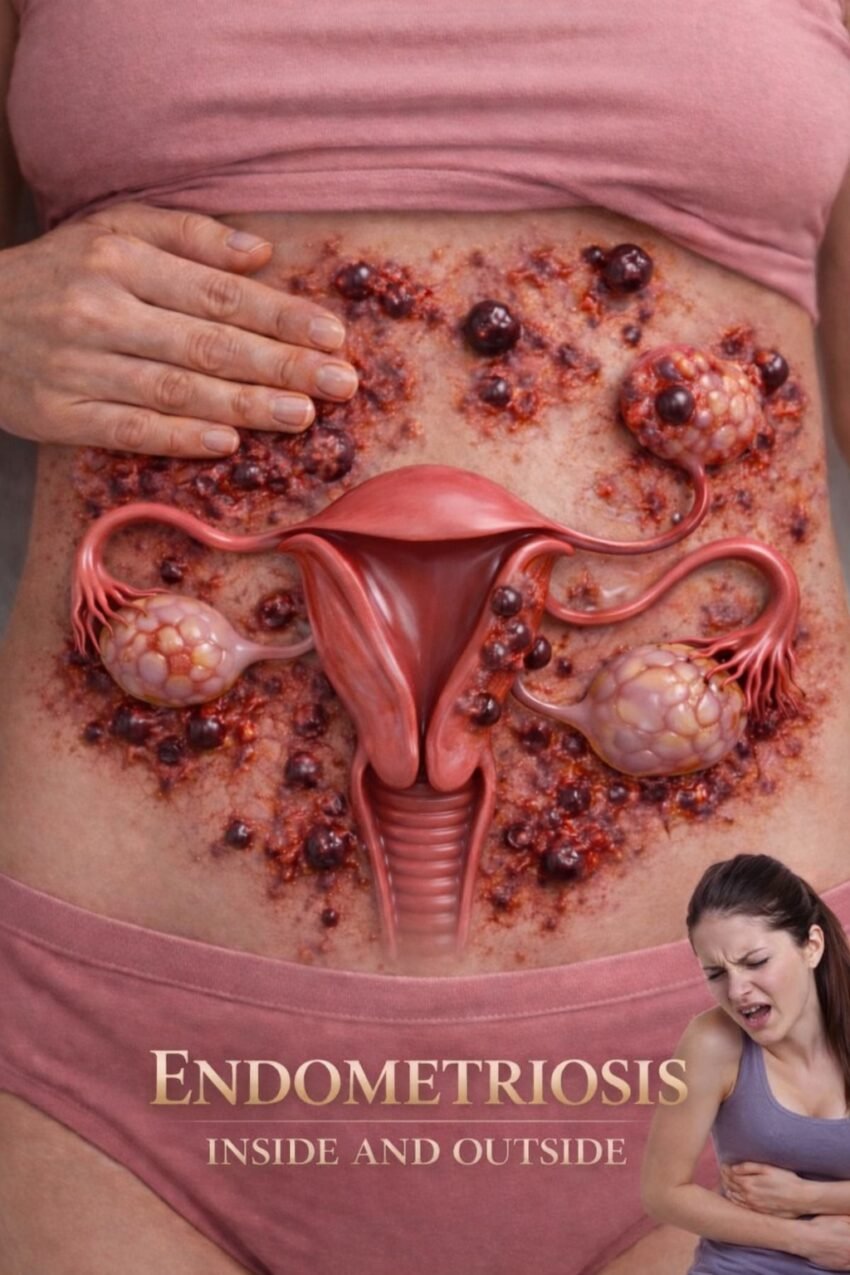
Endometriosis is a chronic inflammatory condition where tissue similar to the lining of the uterus grows outside the uterus. These growths can appear on:
-
Ovaries
-
Fallopian tubes
-
Outer surface of the uterus
-
Pelvic lining
-
Bladder or bowel
Unlike the uterine lining, this tissue has no way to exit the body during menstruation. As a result, it can cause inflammation, scarring, and adhesions, leading to pain and other complications.
Endometriosis is not just a reproductive disorder—it is a whole-body condition that can affect multiple systems.
How Common Is Endometriosis?
Endometriosis affects approximately 1 in 10 women of reproductive age. However, experts believe the actual number may be higher due to underreporting and delayed diagnosis.
On average, it takes 7 to 10 years for a woman to receive an accurate diagnosis after symptoms begin. This delay is one of the biggest challenges in managing the condition effectively.
Understanding the Causes of Endometriosis
The exact cause of endometriosis remains unknown, but several theories help explain how it may develop.
1. Retrograde Menstruation
Menstrual blood flows backward through the fallopian tubes into the pelvic cavity, carrying endometrial cells with it.
2. Immune System Dysfunction
A weakened immune response may fail to eliminate misplaced tissue.
3. Genetic Factors
Women with close relatives who have endometriosis are more likely to develop it.
4. Hormonal Imbalance
Estrogen promotes the growth of endometrial tissue, worsening symptoms.
5. Cellular Transformation
Certain cells may transform into endometrial-like cells outside the uterus.
It’s likely that endometriosis develops due to a combination of these factors rather than a single cause.
Common Symptoms of Endometriosis
Symptoms can vary widely. Some women experience severe pain, while others have minimal or no symptoms at all.
Most Common Symptoms
-
Severe menstrual cramps
-
Chronic pelvic pain
-
Pain during or after intercourse
-
Heavy or irregular periods
-
Painful bowel movements or urination
-
Fatigue
-
Bloating and digestive discomfort
Less Obvious Symptoms
-
Lower back pain
-
Nausea
-
Headaches
-
Anxiety or depression
-
Infertility
Symptoms often worsen during menstruation but may occur at any time.
Endometriosis and Fertility
Endometriosis is one of the leading causes of infertility. It can interfere with fertility by:
-
Blocking fallopian tubes
-
Affecting egg quality
-
Disrupting ovulation
-
Causing inflammation that impairs implantation
However, many women with endometriosis can and do conceive, either naturally or with medical assistance.
Stages of Endometriosis Explained
Endometriosis is classified into four stages based on severity:
| Stage | Description |
|---|---|
| Stage I | Minimal implants, little scarring |
| Stage II | Mild implants, shallow lesions |
| Stage III | Moderate disease with cysts |
| Stage IV | Severe disease, extensive scarring |
It’s important to note that stage does not always correlate with pain level. Some women with mild disease experience severe symptoms, while others with advanced stages may have little discomfort.
How Endometriosis Is Diagnosed
Medical History and Symptom Review
A detailed discussion of menstrual patterns, pain levels, and family history.
Pelvic Examination
May reveal tenderness or abnormalities.
Imaging Tests
-
Ultrasound
-
MRI
These tests can suggest endometriosis but cannot confirm it.
Laparoscopy
A minimally invasive surgical procedure considered the gold standard for diagnosis.
Treatment Options: Managing Endometriosis Effectively
There is currently no cure for endometriosis, but several treatments can help manage symptoms and improve quality of life.
1. Pain Management
-
Over-the-counter pain relievers
-
Prescription medications
2. Hormonal Therapies
-
Birth control pills
-
Progestin therapy
-
Hormonal intrauterine devices
These treatments reduce or suppress menstruation, slowing tissue growth.
3. Surgical Treatment
-
Removal of endometrial lesions
-
Used when pain is severe or fertility is affected
4. Fertility Treatments
-
Ovulation induction
-
Assisted reproductive technologies
Lifestyle and Self-Care Strategies
Dietary Adjustments
-
Increase anti-inflammatory foods
-
Reduce processed foods and sugar
-
Focus on whole grains, vegetables, and healthy fats
Exercise
-
Gentle activities like yoga, walking, and swimming
-
Improves circulation and reduces inflammation
Stress Management
-
Meditation
-
Breathing exercises
-
Therapy or counseling
Sleep and Rest
Adequate rest helps regulate hormones and reduce pain perception.
Pros and Cons of Endometriosis Treatments
Pros
-
Pain relief
-
Improved daily functioning
-
Better fertility outcomes
Cons
-
Side effects from hormonal therapy
-
Possible recurrence after surgery
-
Emotional and financial burden
A personalized treatment plan is essential.
Common Myths and Misconceptions
-
“Painful periods are normal.” Severe pain is not normal.
-
“Pregnancy cures endometriosis.” Symptoms may improve temporarily but often return.
-
“Hysterectomy guarantees relief.” Endometriosis can persist even after surgery.
Education is key to breaking these myths.
Latest Research and Future Outlook
Emerging Advances
-
Non-invasive diagnostic tests
-
Improved imaging techniques
-
Personalized hormone therapies
-
Increased awareness and advocacy
The future of endometriosis care is focused on earlier diagnosis, better pain control, and holistic management.
Frequently Asked Questions
1. Can teenagers have endometriosis?
Yes, symptoms can begin soon after the first period.
2. Is endometriosis life-threatening?
It is rarely life-threatening but can significantly impact quality of life.
3. Does endometriosis get worse with age?
Symptoms may progress if untreated.
4. Can menopause stop endometriosis?
Symptoms often improve but may not disappear entirely.
5. Is endometriosis an autoimmune disease?
It’s not classified as one, but immune dysfunction plays a role.
6. Can endometriosis affect mental health?
Yes, chronic pain increases the risk of anxiety and depression.
7. Are natural remedies effective?
They may help manage symptoms but should not replace medical care.
8. Can endometriosis return after surgery?
Yes, recurrence is possible.
9. Does endometriosis cause weight gain?
The condition itself doesn’t, but treatments may affect weight.
10. When should I see a doctor?
If pain interferes with daily life or worsens over time.
Conclusion: Knowledge Is a Form of Power
Endometriosis is real, complex, and far more common than many realize. Understanding the symptoms, causes, and management options allows women to advocate for their health and seek timely care.
No woman should be told that severe pain is “just part of life.” With awareness, early diagnosis, and a comprehensive management plan, women with endometriosis can lead full, active, and empowered lives.
Call to Action
If this article helped you, share it with other women who may be struggling in silence. Open conversations save years of pain. Stay informed, trust your body, and never hesitate to seek the care you deserve.